Non-Screen Related Gifts for Kids

Lindsay Knake
| 3 min read
Key Takeaways
- With U.S. children averaging nearly eight hours of daily screen time, non-digital gifts can encourage better sleep, learning and overall well-being.
- Reading, board games, building blocks and art projects can strengthen creativity, critical thinking, vocabulary, motor skills and social connection.
- Museum memberships, sports activities, music lessons and classes such as cooking or pottery offer opportunities for learning, physical activity and quality time with family and friends.
As Christmas and the holiday season approaches, it also means gift shopping.
Screens are as popular as ever; children in the United States average nearly eight hours a day of screen time, according to the American Academy of Child and Adolescent Psychiatry. This includes phones, tablets, TVs, computers and gaming consoles.
And higher screen time is associated with lower test scores, poor sleep and worsened mental and physical health.
But choosing holiday gifts that aren’t screen-related can help give kids a fun, enriching experience. Here are some ideas for this holiday season.
Books and graphic novels
Americans are reading less, but reading more can help us with memory and focus. Books are good for all ages. Reading aloud to young children can help with critical thinking and expand their vocabulary.
Whether its fiction, including fantasy or memoir, gifts of books, graphic novels and audiobooks can enliven a kid’s imagination and provide many hours of learning and entertainment.
Puzzles, building blocks and games
Jigsaw puzzles and wooden puzzles are available for all ages, and they are something kids can do alone and with others. Board games and card games are available for young children to teens. These are often social games that allow for connection and laughter, which support mental and physical health.
LEGO and other building block kits are available for many ages and at many price points. From making a toy set to building bouquets of flowers, these kits can allow children to express creativity and build pattern recognition.
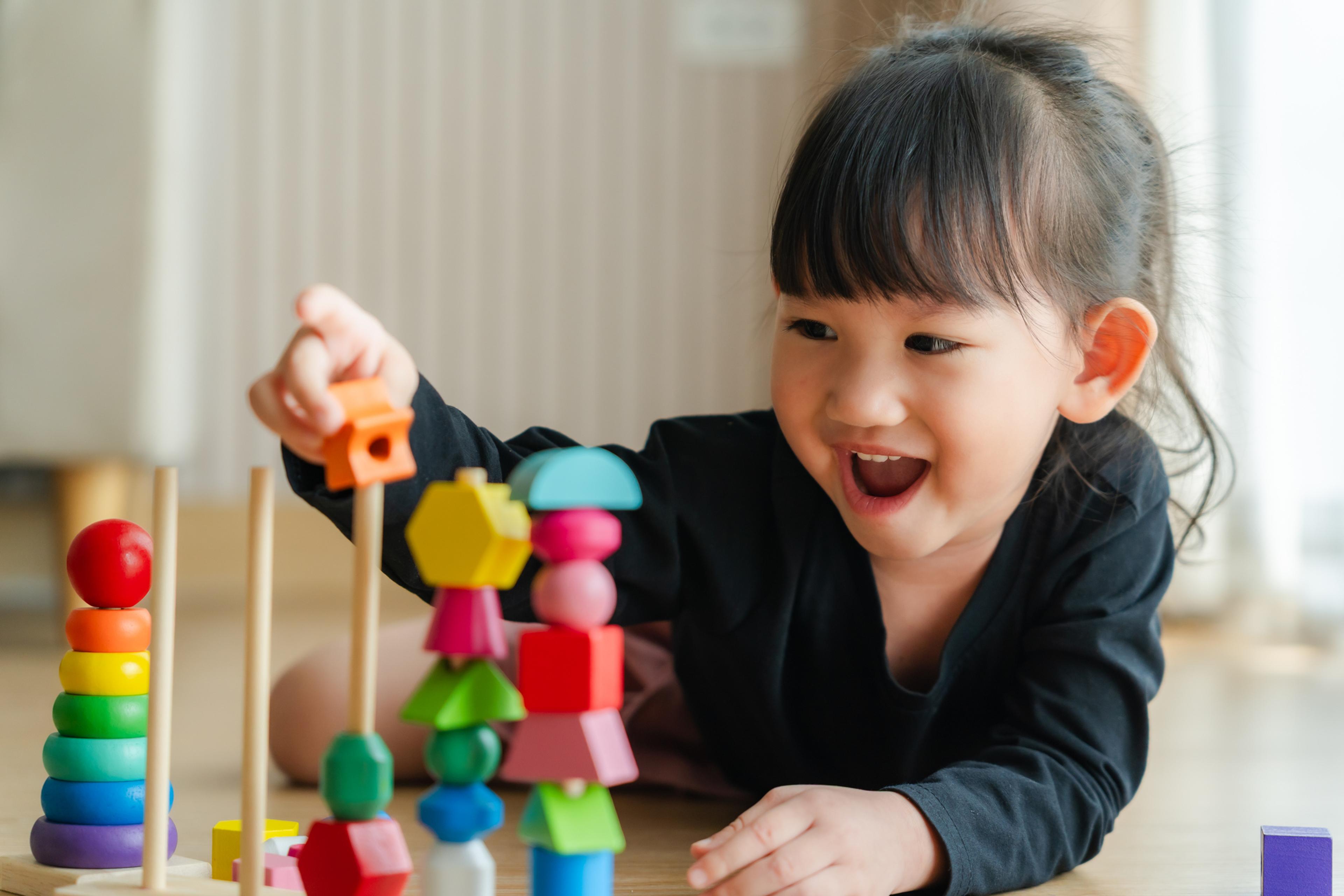
For very young kids, wooden blocks and animal toys allow for motor skill development and learning.
Art classes or supplies
Art is en vogue. From knitting to jewelry making, there are many different types of art kits available to help you get started. Look for:
- Grow-your-own herb or garden kits
- Watercolor painting kits and notebooks
- Paint-by-number kids
- Miniature building kits
- Jewelry making kits
- Knitting kits
Some children may love a musical instrument. For those interested in science, you can try a basic astronomy starter kit or science kit for them to explore and study their own yard. Hands-on projects and learning are a great way for kids to develop skills and learn something new while having fun.
Experiences
Whether it's concert tickets to visits to an aquarium or science museum, an adventure of learning and spending time with loved ones can create a memory that’s longer lasting than a video or toy. A membership to a museum, zoo or theater can also provide many days of memories and enrichment.
Outings for ice skating, skiing or indoors swimming can get kids moving during the winter.
Depending on age, classes can provide a new skill. Try purchasing passes for classes such as:
- Pottery
- Painting
- Cooking or baking classes
- Music lessons
- Science classes
Sports, gardening or cooking equipment
A soccer ball or a baseball bat can help a child with their favorite sport. Gardening tools give them a head start on growing their own vegetables, fruits and herbs. Their own cooking items can help get them interested in learning to cook healthy meals.
Photo credit: Getty Images