Is It Normal for Preschoolers to Have Anxiety?

Lindsay Knake
| 3 min read
Key Takeaways
- Occasional fears about new experiences are common in preschoolers, but ongoing emotional outbursts, sleep problems, stomachaches or avoidance behaviors may indicate an anxiety disorder.
- Anxiety may appear as tantrums, clinginess, hiding, difficulty relaxing or physical complaints rather than children openly expressing worry. Separation anxiety, social anxiety and specific phobias are among the most common forms.
- Parents can help by validating feelings, preparing children for new situations, modeling healthy coping skills and teaching calming techniques. If symptoms last for several weeks or interfere with daily life, families should consult a pediatrician or mental health professional.
Jitters before a soccer game or fear before the first day of school is common for young children.
But repeated stomach aches, losing sleep or wanting to hide could mark a sign of something more serious: anxiety. It isn’t unusual in children, either. As many as 1 in 5 children develop anxiety disorders, according to the Cleveland Clinic.
Here’s a look at anxiety in young children and ways parents can help their child learn to manage these emotions.
What does anxiety look like in young children?
It’s important for parents to learn the symptoms of anxiety in young children because they can look like emotional outbursts or physical pains such as stomach aches, per the Cleveland Clinic. A child who shows big and repeated emotional reactions or avoidance behaviors such as hiding could experience a form of anxiety.
Common signs of anxiety in children include:
- Temper tantrums
- Physical symptoms such as stomachaches, headaches and difficulty sleeping
- Avoidance like escaping or hiding
- Hypervigilance, inability to relax and startle reflex
- Clinging to parents or caregivers
While anxiety is a normal behavior in times of stress, like going to school for the first time, these emotions persisting could be a sign of something more serious. There are a few types of anxiety that are more common in children, according to Harvard Health, such as:
- Separation anxiety: Feelings of anxiety when a child is away from parents or caregivers.
- Social anxiety: Extreme self-consciousness and/or fear of judgment or humiliation in social situations
- Specific phobia: An irrational fear of an event or thing, such as insects or thunderstorms
How to help children with anxiety
If you or a teacher notices these signs in children for a few weeks or more, or if the anxiety makes it difficult for your child to function, talk to their primary care provider (PCP) or pediatrician. Severe anxiety can delay childhood development. Mental health professionals can work with children to provide age-appropriate therapies.
One of the main treatments for children is cognitive behavioral therapy (CBT), a common therapy technique to help children notice and change their thoughts, per Harvard.
There are also ways parents can help their child manage their anxious feelings:
- Personalize the anxiety: Encourage your child to name their anxiety and even draw a picture of it. This can make the anxiety seem less scary.
- Preview places that cause anxiety: Visit a new school before the first day, for example, to give a child a chance to see the new place and learn about it without the intensity of a full or half day there.
- Model healthy feelings: Children pick up on emotions from their parents. Show your child how you deal with more challenging emotions as appropriate.
- Allow your child to feel their feelings: Pushing your child to avoid or repress emotions doesn’t make them go away, but it can make your childlike it isn’t safe to show their feelings to you.
- Teach children practices to manage distress: Splashing cold water on their face, holding an ice cube, deep breathing or locating five colors throughout a room can help a child calm down enough to think again.
- Practice exposure to fears: Slowly and carefully exposing your child to their fears can help teach them how to survive and manage anxiety and separate real danger from anxiety about day-to-day events. Building tolerance gradually can also allow a child to build confidence.
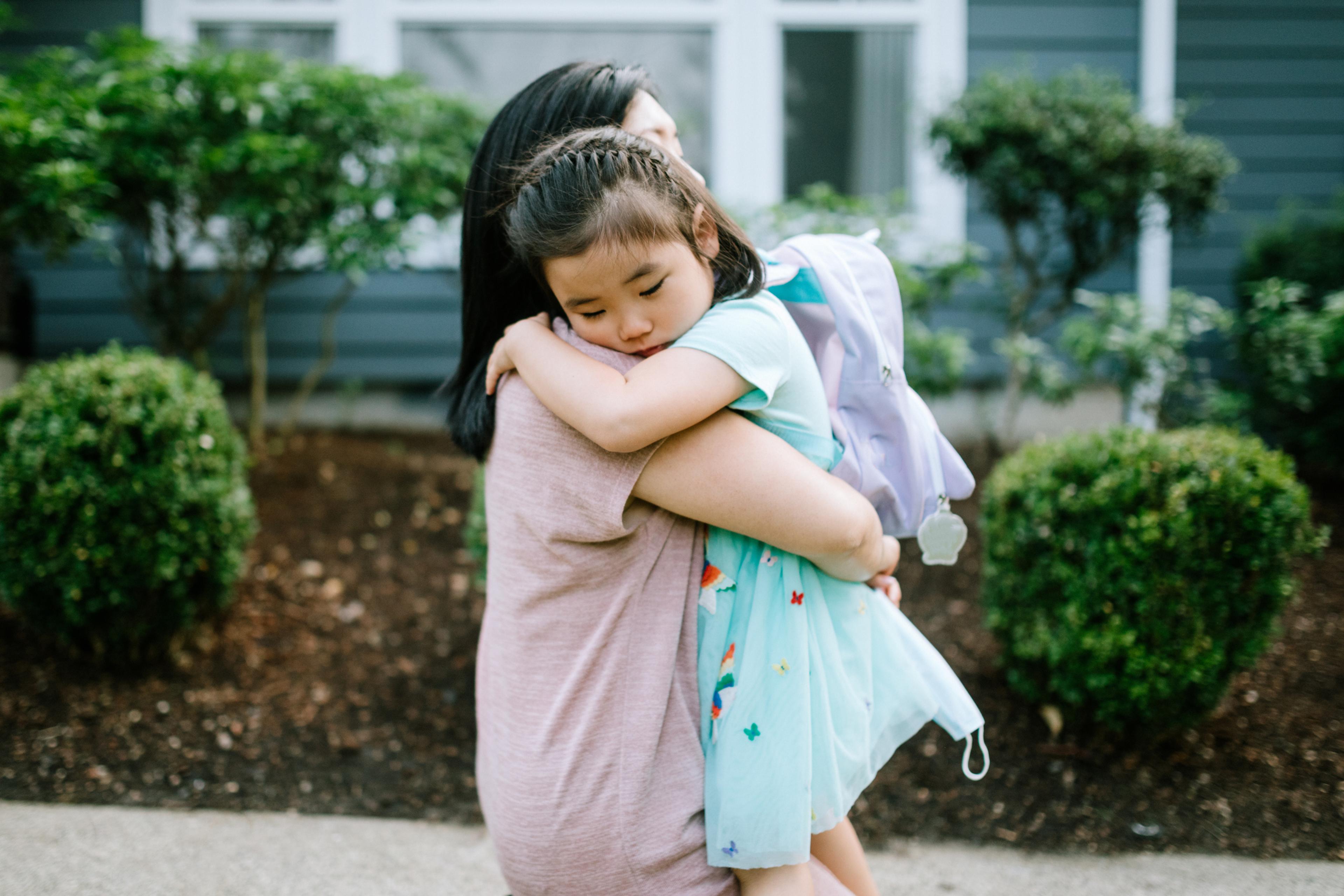
Photo credit: Getty Images