Why Looksmaxxing is Bad for Teenage Mental Health
Ryan Halberg
| 3 min read
Key Takeaways
- A social media trend known as “looksmaxxing” is gaining popularity among teenage boys, prompting concerns from health experts about its potential impact on mental health and body image.
- While some aspects of looksmaxxing focus on low-risk self-care practices such as grooming and hygiene, more extreme forms promote risky behaviors including cosmetic procedures, anabolic steroid use and extreme dieting.
- Experts say parents can help by maintaining open communication, understanding the online content their children consume and seeking professional support if warning signs such as social withdrawal, appearance obsession or substance misuse emerge.
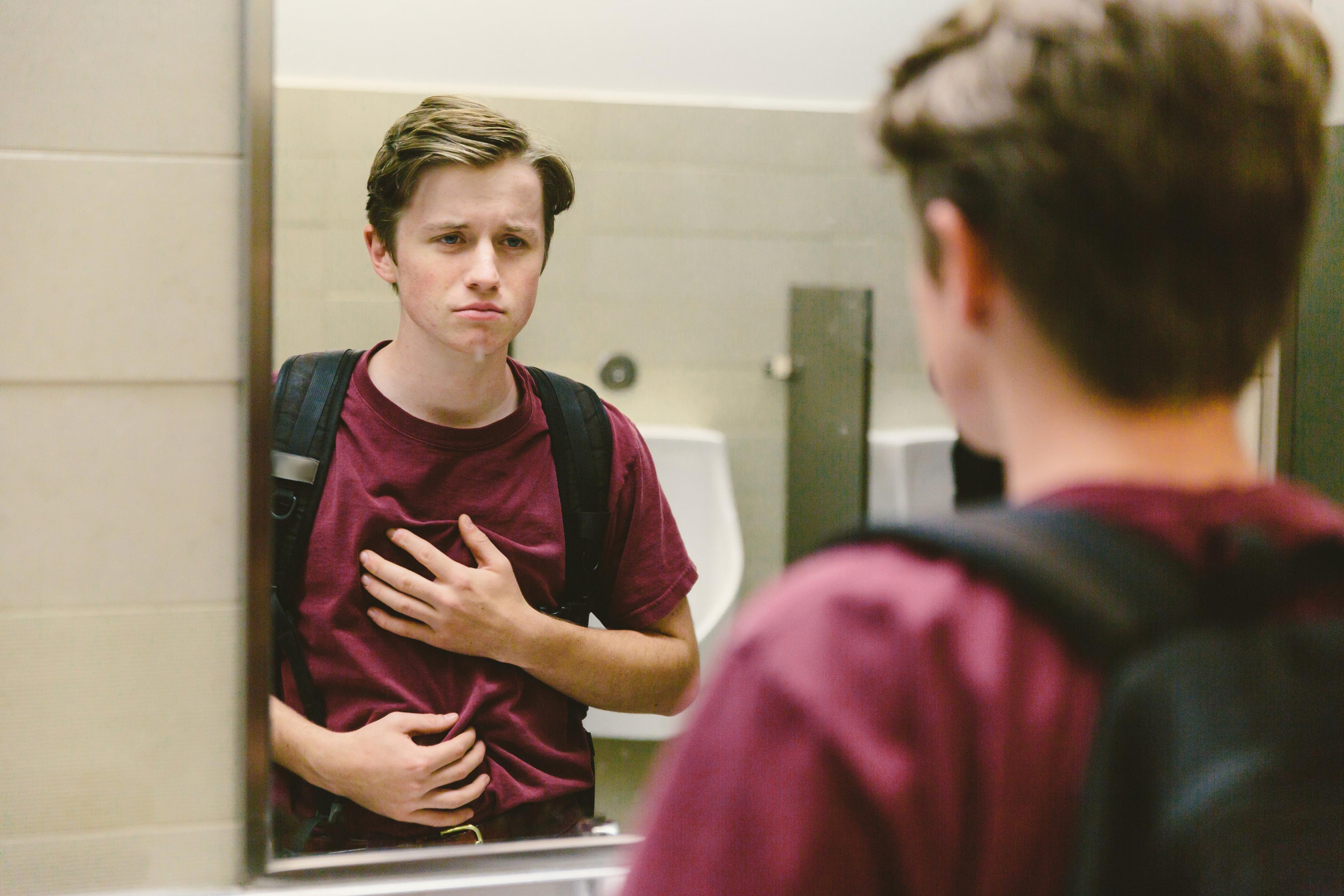
For teenagers, concerns about physical appearance are a normal part of growing up. But a new social media trend known as “looksmaxxing” is amplifying those concerns. The trend is especially popular among teenage boys, leaving experts worried about its impact on mental health.
Learn more about “looksmaxxing,” why it may be a cause for concern and how parents can help support their children’s mental health.
What is looksmaxxing?
Looksmaxxing is a modern subculture and online movement, primarily affecting teenage boys, that prioritizes physical appearance through a range of lifestyle behaviors, per Johns Hopkins Medicine. Some of the behaviors promoted by “looksmaxxers” encourage wellness; however, more often than not, their advice promotes harmful behaviors that can be detrimental to both physical and mental health.
Within the “looksmaxxing” community, activities are broken down into two categories, per the Cleveland Clinic: “softmaxxing” and “hardmaxxing.” “Softmaxxing” is considered low-risk advice, focusing on hygiene, grooming, skin care or fashion. On the other hand, “hardmaxxing” is a higher-risk behavior that can result in a more lasting change to physical appearance. “Hardmaxxing” practices may include surgical procedures, anabolic steroid use and dieting extremes.
Why is looksmaxxing bad for health?
Teenagers are in a developmental stage of life and are often especially sensitive about their appearance. “Looksmaxxing” can easily amplify those insecurities and lead to some negative mental health effects.
According to the Cleveland Clinic, possible mental health effects of “looksmaxxing” culture include:
- Body dysmorphia and eating disorders
- Anxiety and depression
- Self-esteem issues
- Substance use
- Self-harm
What parents can do
For some teen boys, taking part in self-improvement can be a good thing; however, the nature of “looksmaxxing” culture means things can often become unhealthy. Some behavior changes to look out for include a noticeable shift in time spent on personal hygiene, an increase in irritability and a significant uptick in time spent on social media.
If you’re worried your child may be partaking in “looksmaxxing” to an unhealthy degree, the Child Mind Institute offers these practical steps to help support them:
- Open communication: Starting a conversation with curiosity can give your child space to be open and vulnerable. Throughout the conversation, refrain from judgment and validate their experiences.
- Learn where your child is getting their information: Taking time to read or watch the content your child is consuming can help you better relate to their experience. If the content is promoting something dangerous, then it may be time to have a conversation about the potential harm of these activities.
- Encourage male role models: Having someone to talk to and share their own struggles can be helpful.
The Cleveland Clinic advises reaching out to their primary care provider or a mental health professional if you notice your child:
- Avoids social situations
- Constantly compares themselves to others
- Misuses substances
- Doesn’t enjoy hobbies like they used to
- Spends most of their free time online
- Obsesses over their appearance
Obsessing over their appearance may mean spending a lot of time and money on fitness, beauty or fashion, looking in the mirror more often than normal, losing sleep over appearance, avoiding photos or seeking repeated reassurance.
Photo credit: Getty Images