Don’t Go to Bed Just Yet: Ways to Make the Most of Your Winter Evenings

Lindsay Knake
| 3 min read
Key Takeaways
- Prepare comforting, nutritious meals and experiment with new hobbies — such as language study, music or crafting — to boost overall well‑being and life satisfaction.
- Replace screen time with meditation, journaling, reading or puzzles to improve mental focus, reduce anxiety and keep the brain engaged.
- Regular exercise like yoga, Tai Chi or ice skating, plus game nights or book clubs, can lift mood, combat seasonal affective disorder and strengthen relationships.
It gets dark around 5 p.m. all winter, which can make some people feel like hibernating.
The winter blues or Seasonal Affective Disorder (SAD) can get some people feeling down in the winter. Staying active and spending time with others are effective ways to combat SAD. There are also simple ways to improve your physical and mental health during quiet nights.
Here are some healthy ideas for how you make the most of your winter evenings.
Experiment with healthy meals and meal prep
Winter is a good time to make healthy comfort food recipes such as soup or deconstructed lasagna. You could also make homemade pasta for a dish or make whole grain waffles for a fun breakfast – or breakfast for dinner.
You could also spend an evening preparing food for the week to make your other evenings more relaxing.
Practice mindfulness by meditating, journaling or reading
Quiet winter evenings can be a good time to practice mindfulness or create a new habit such as meditation, breathwork, writing in a journal or reading a book. Instead of scrolling on your phone, which can cause anxiety, a mindfulness practice can help with your mental health and focus.
Reading can help improve your attention span and is good exercise for your brain. Joining a book club can introduce you to new books and provide a place to gather with friends or make new ones.
Do a puzzle or game
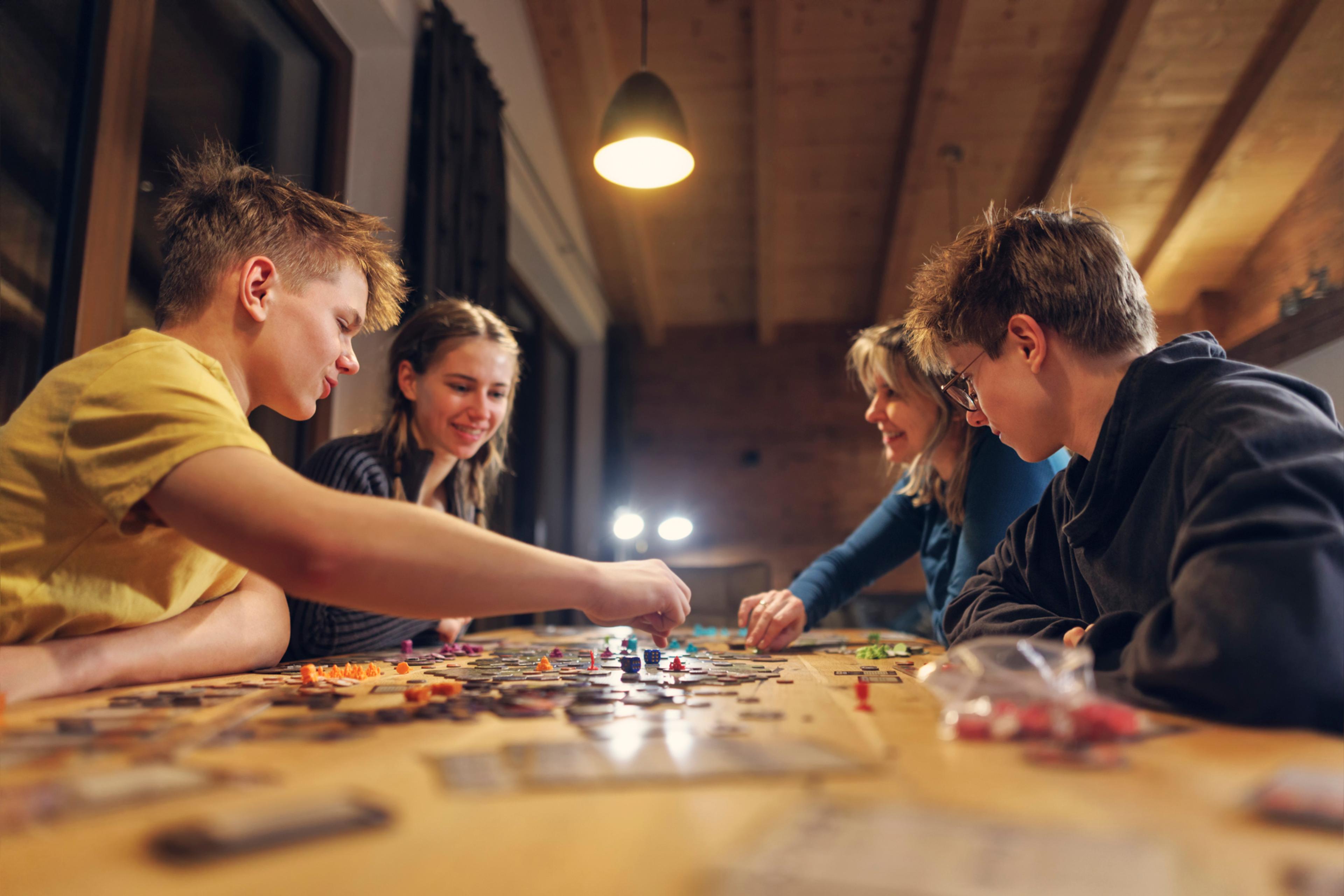
Engaging in a puzzle or game is good for brain health, and staying cognitively active may even help reduce the risk of or delay the onset of dementia. Whether it’s a crossword or jigsaw puzzle or a more complicated board game, the fun challenge of a game or puzzle can lighten up a winter evening.
You can also do this with a friend or loved one by hosting game nights. Strong relationships are important for our physical and mental health and longevity.
Learn a new skill
Winter is a good time to work on learning a language, learning or practicing a musical instrument or honing crafting skills. While these, like puzzles or games, can seem simple, hobbies are associated with better health and life satisfaction and reduced depression, according to a large study of 93,000 people across 16 countries, including the United States, published in Nature.
Creativity, cognitive stimulation and relaxation are part of the reason why hobbies are healthy, and engaging in hobbies with others is good for social connection.
Try yoga or Tai Chi
It can be easier to burrow into blankets rather than exercise in the winter, but it is important to get at least 150 minutes of exercise per week. A quiet form of exercise like yoga or Tai Chi can help you get moving but not be so vigorous to wake you up before bed. Both types of exercise are low-impact, good for your mental health and are easy to do at home.
You could also try yoga for sleep if you want to relax before bed.
Ice skating
Ice skating at night under a set of lights is a good type of low-impact exercise. Towns across Michigan have outdoor rinks available, and there are also indoor ice rinks with open skate nights.
Exercise can help you improve your mood and manage any symptoms of SAD. Skating can be a fun way to take advantage of the winter months and turn the cold to your advantage.
Image: Getty Images
Related: