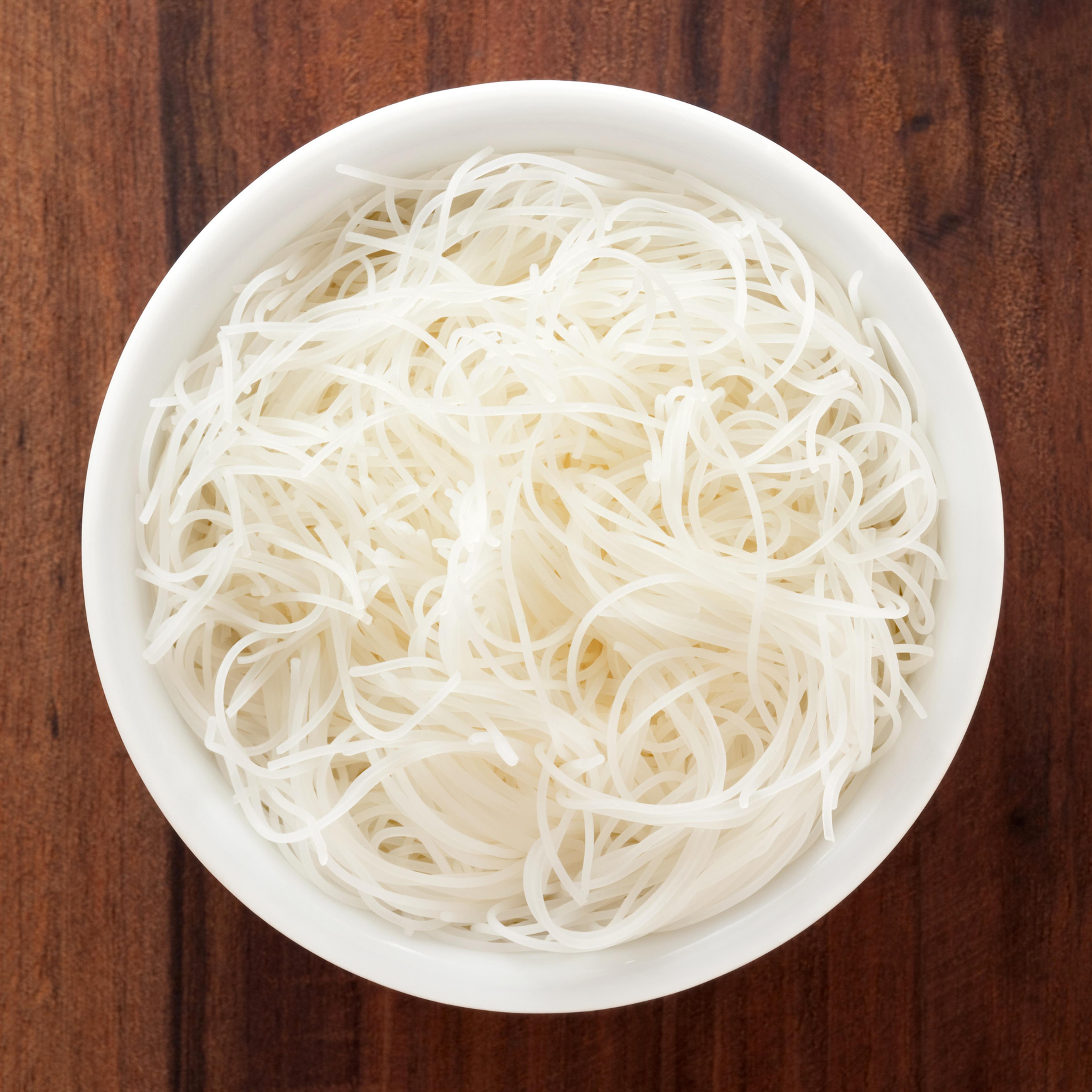
Rice noodles are a common staple of many Asian dishes such as pad Thai, soup and stir-fry. Because they are made of rice, they are gluten-free. When cooked incorrectly, rice noodles can turn to mush, which is why it's so important to not boil them.
How to cook rice noodles
Rice noodles come in different shapes and sizes. The two most common types sold in the grocery store are Vermicelli noodles and flat rice noodles. Vermicelli noodles are thinnest of all rice noodles, have a coarse texture and are not as smooth as other noodles. Keep in mind the size and thickness of rice noodles when preparing to cook them.
Rice noodles recipe
Warm water is all that is needed to cook rice noodles. Carefully place your noodles in a large bowl or pot. Cover the noodles with warm water and allow them to soak. As a general rule, use approximately 4 cups of water for every 4 ounces of rice noodles. Adjust the amount of water based on the specific instructions for best results. Time may depend on thickness and width of the noodles:
Follow these recommendations for these different cuts of noodles:
- Vermicelli: 5 to 15 minutes
- Small: 20 to 30 minutes
- Medium: 50 to 60 minutes
- Large: 90 minutes to 2 hours
Total Time:
5 minutes to 2 hours
Cooking Difficulty:
Medium
Ingredients
8 cups water
8 oz rice noodles
optional: sesame oil
Instructions
Step 1
To test for doneness, remove a few strands of noodles from the pot and rinse them under cold water to taste test. The noodles should be tender but still firm. If they are too firm, continue soaking for another minute and test again.
Step 2
Drain and use rice noodles as desired
Since these noodles are only partially cooked, you will need to transfer them to another dish immediately or store them in a way that prevents them from sticking together or drying out. Add them directly into stir-fry after soaking. For soup, drain the noodles using a colander and rinse the noodles under cold water to stop the cooking process, then drain once more before adding them to the pot .
How to store rice noodles
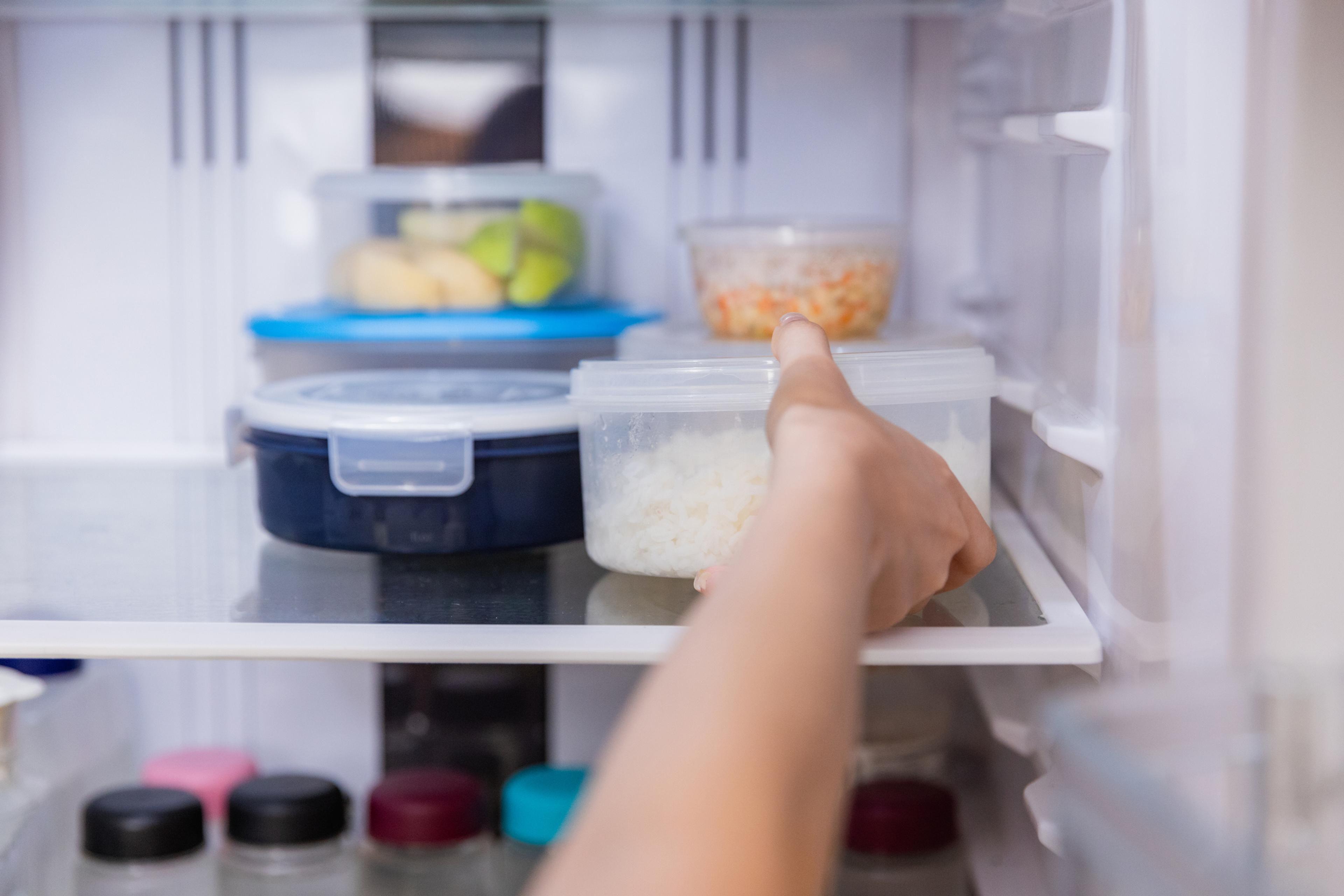
Rinse plain rice noodles in cold water and toss them in sesame oil before storing them to prevent sticking. Make sure rice noodles are dry and cool before you put them in the fridge. Keep in mind rice noodles shouldn’t be kept at room temperature for longer than two hours, so make sure to put them in the fridge or freezer within this time frame. You can keep leftovers in an airtight container in the fridge for three to four days. For longer-term storage, you can freeze them for up to two months.
If your noodles are mixed in with a broth, follow these steps to store them:
- Separate the noodles from the broth before you store them.
- Leave the noodles to air dry for 30 to 60 minutes before packaging.
- Reheat the broth and noodles separately before eating them.
Related: