What is Tai Chi Walking?

Jake Newby
| 3 min read
Key Takeaways
- Tai chi walking slows traditional walking patterns, emphasizing deliberate steps, weight shifting and posture awareness to improve stability.
- Research suggests tai chi can enhance balance, strengthen muscles and reduce fall risk, especially among older adults.
- Combining controlled breathing with focused movement engages both body and mind, supporting coordination, attention and overall well-being.
- This low-impact exercise is adaptable for beginners, older adults and people recovering from illness, injury or surgery.
Walking is one of the easiest, most accessible ways to stay active. Now, a growing number of people are putting a mindful twist on the exercise through a practice called tai chi walking.
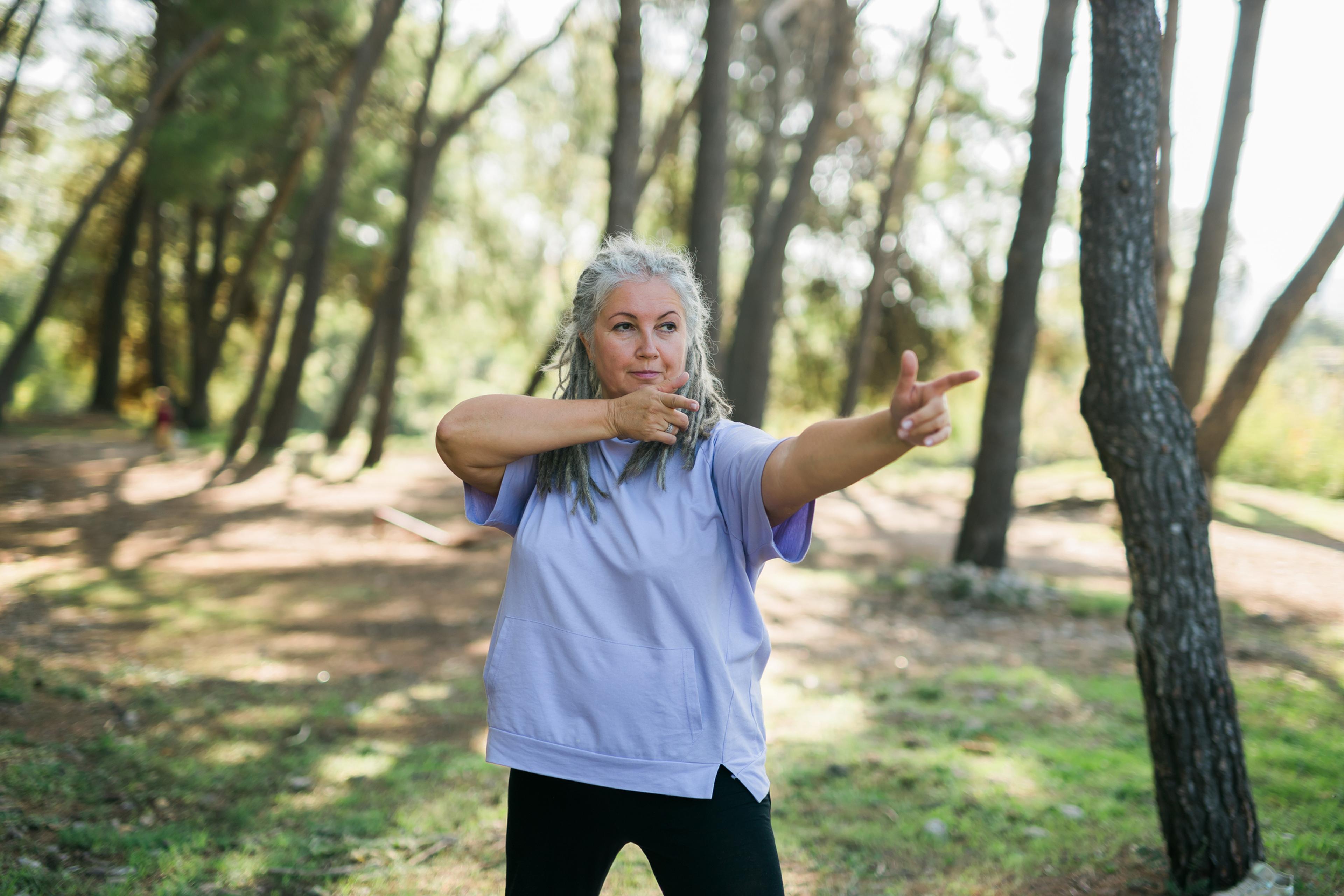
Tai chi walking is a slower, more mindful variation of walking that works multiple muscle groups based on the deliberate movements associated with it. Unlike a brisk stroll through the park, tai chi walking emphasizes balance and body awareness. The practice is rooted in tai chi, an ancient Chinese exercise that combines slow, flowing movements with controlled breathing and mental focus.
Tai chi walking applies many of the same traditional forms, postures and principles to something most people already do every day. While the world around you seemingly speeds up, tai chi walking gives you a chance to slow down. Here’s everything you need to know before you try it.
How does tai chi walking work?
When we walk normally, we tend to use our momentum to move quickly from one step to the next. Tai chi walking slows that process down. Those who practice tai chi shift their weight gradually, place each foot intentionally and remain aware of their posture and balance with every step.
Speed and distance are not priorities, as the main goal is to move with control while maintaining stability and coordination. Breathing while tai chi walking is typically slow and steady, helping connect the mind and body during movement. Much like the mind-body practice it emanates from, tai chi walking pairs physical activity with mental concentration.
Why is tai chi walking beneficial?
One of the biggest benefits of tai chi walking is improved balance.
Research has consistently found that tai chi can:
- Enhance stability
- Increase balance confidence
- Reduce the risk of falls, particularly among older adults
The slow weight-shifting movements help strengthen the muscles and reflexes that keep people upright while also improving body awareness, known as proprioception.
Studies have also shown that tai chi can improve lower-body strength, flexibility and mobility while supporting overall physical function, while positively affecting balance, muscle strength, cognitive performance and quality of life.
The mental health benefits are just as pronounced. Because tai chi requires participants to focus on movement patterns, breathing and posture at the same time, it’s a practice that engages both the body and brain. Experts say this dual-task activity can help support attention, coordination and overall mind-body awareness.
A low-impact exercise for nearly everyone
Compared to any form of exercise that requires equipment or a gym member, tai chi is extremely accessible and can fit easily into many lifestyles. It’s an activity that places minimal stress on the joints. Movements are gentle, controlled and adaptable to different fitness levels. As is the case with traditional tai chi, tai chi walking can be modified for beginners, older adults and even people recovering from illness or surgery.
Whether you're looking to improve balance, stay active as you age or add a calming form of movement to your routine, tai chi walking offers a low-impact way to support both physical and mental well-being.
Photo credit: Getty Images
Continue reading: