How Treating My Anxiety Helped Me Stop Living in Fear

Monica Drake
| 4 min read
When I first watched the movie "Sixth Sense," I was scared for an entire year.
I had nightmares, and I was terrified to get up in the middle of the night to use the bathroom because of one particular scene where Haley Joel Osment's character sees a dead person while doing the same thing.
Later, senior year of high school, I was invited to watch the movie "House of Wax" with a group of friends. I literally "watched" most of the movie with my back turned towards the TV while my friends described to me what was happening. Then, during my first job out of high school, my co-workers discovered that I was easily scared. It soon became one of their favorite pastimes to sneak up behind me or jump out around corners, because they thought it was hilarious how easy it was to make me scream.
In my 20's, my friend and horror connoisseur James, invited me over to watch some of his favorite movies. I took a deep breath and gave it another try. And I was fine. More than fine. I loved them! This made me wonder what changed. How did I go from being the biggest scaredy cat to having horror be one of my favorite genres? I think it's because I finally treated my anxiety disorder.
Before, I had no coping mechanism for my anxiety. But, in my 20s, I started seeing a counselor and taking anxiety medication. It was even clearer to me when I was pregnant that untreated anxiety was the direct cause. When I was pregnant, I couldn't take my meds and it was again difficult for me to handle horror (it also didn't help that my baby would kick me during ever scary scene).
Science behind the scare
Is it true that anxiety can make you less likely to handle horror movies? Untreated anxiety can hold you back from a lot of scary or uncomfortable situations, like roller coasters or, of course, public speaking. When my anxiety was untreated, my nervous system was already stuck in overdrive. Adding a scary movie was too much for my brain to handle. It didn't help that one of my biggest anxiety triggers was thinking about death, which is the main theme of most horror movies.
Once I could manage my condition, horror movies and even rollercoasters became a way I could experience fear and adrenaline in a controlled, safe environment (still working on the public speaking though). Now, every time I watch a scary movie, I feel like I'm conquering the fears of my younger self.
I also didn't realize that watching horror movies can actually be therapy itself. According to Boston University, it's considered a form of exposure therapy, which involves gradually and safely exposing individuals to anxiety-provoking stimuli to reduce fear responses over time.
"Exposure therapy has long been a cornerstone in treating anxiety disorders and PTSD," writes Dr. Danielle Rousseau, assistant professor at BU. "The underlying principle is that repeated, controlled exposure to the source of fear or trauma can help desensitize individuals and reduce avoidance behaviors. Horror media can serve a similar function by allowing individuals to confront fear in a context where they know they are not in actual danger."
It turns out the more I watch horror movies, the more I'm helping my brain handle fear in the real world. No matter what you do to treat your anxiety — whether it’s a conventional tool like meditation and journaling, or something less conventional, like watching a horror movie — what matters most is finding what works for you, as long as it's coupled with the guidance and support of a licensed professional.
Treating a mental health condition can change how we experience the world and help us enjoy life again. It helped me be brave. Treating my anxiety finally stopped me from being too scared to actually live.
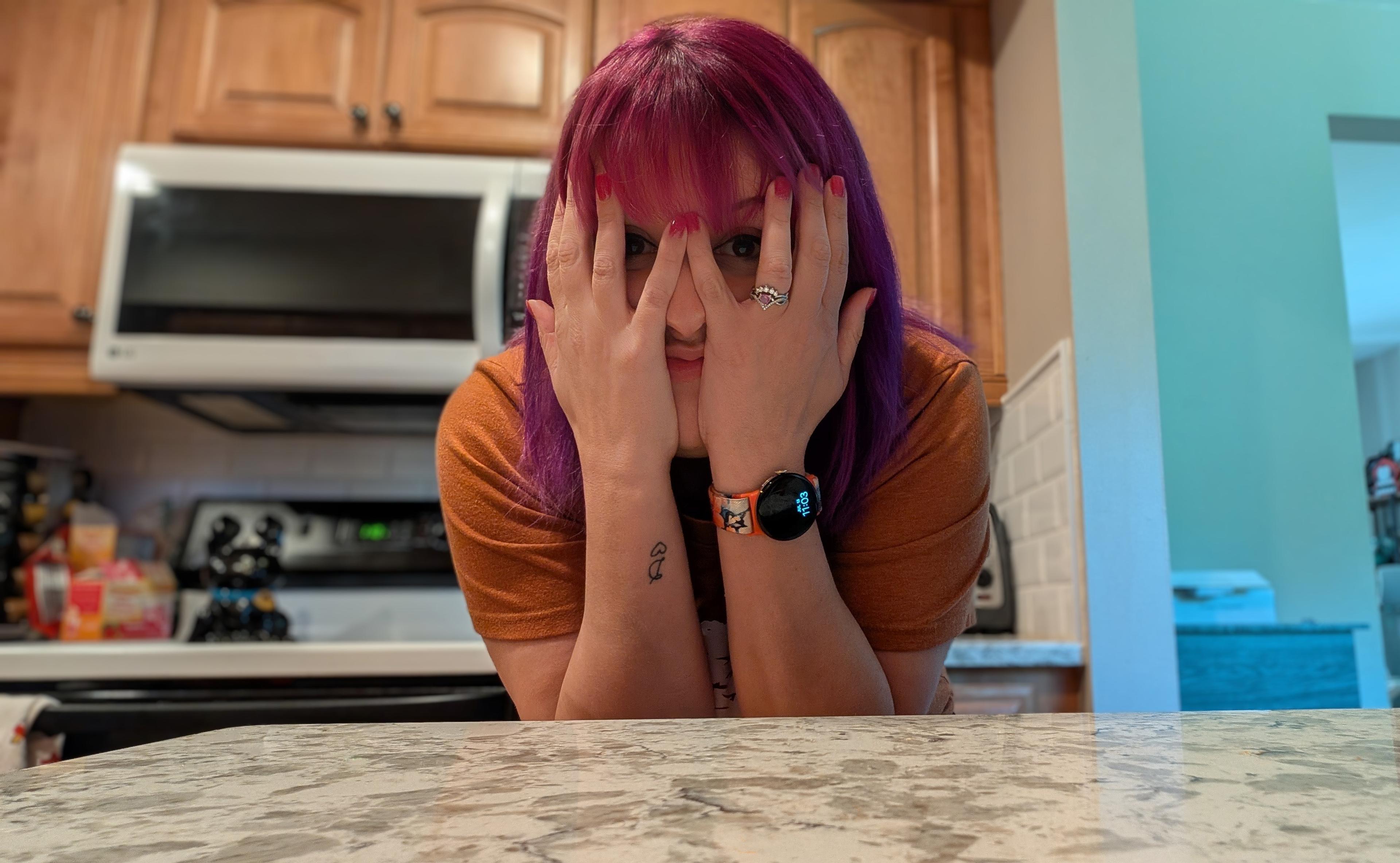
Photo credit: Monica Drake
Read on: