Are There Real Health Benefits to Lymphatic Massage?

Lindsay Knake
| 3 min read
Key Takeaways
- Lymphatic drainage massage, a gentle technique that encourages lymph flow, may help reduce fluid retention, support immune function and provide stress relief, but its therapeutic value is primarily supported for conditions such as lymphedema.
- People with serious health issues—including lymphedema, infections, blood clots, kidney failure or cancer—should consult a primary care physician or oncologist before undergoing any lymphatic massage, as professional supervision may be required.
- Self‑administered lymphatic massage is generally safe for mild concerns like nasal congestion or facial puffiness, provided it is performed with light pressure, repeated up to ten times per step, and accompanied by adequate hydration, a balanced diet and regular exercise.
You may have seen social media videos promoting at-home body massage to relieve congestion or make your skin glow.
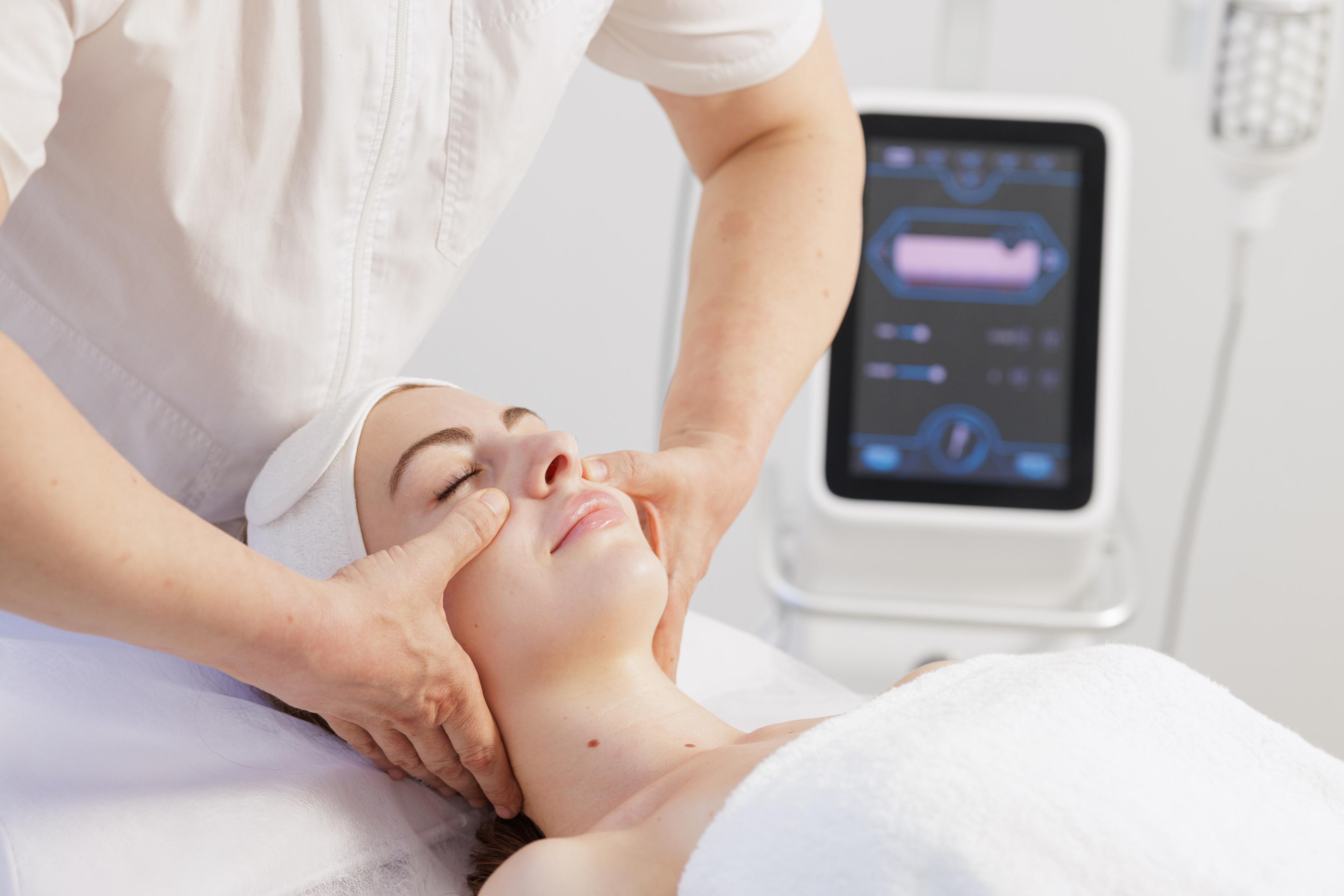
This is called lymphatic drainage massage. While this type of massage is a treatment for serious health conditions, centers that offer professional lymphatic massage are popping up as a health and beauty treatment. Does it work? Here are some things to know about lymphatic drainage massage.
What is lymphatic drainage massage?
This type of massage targets the lymphatic system, which is a network of tissues and organs that move fluid called lymph into your bloodstream. This system helps to destroy old and abnormal cells, prevent infection and maintain fluid levels in your body, according to the Cleveland Clinic. The lymphatic system is spread throughout your body, including 600 lymph nodes that filter the fluid and collecting ducts in your chest.
If the lymphatic system isn’t working as it should, this can lead to fluid retention in your body. You may especially notice it in your limbs. Health conditions that can affect the lymphatic system include:
- Infections such as strep throat and mononucleosis
- Lymphedema, a blockage in the lymphatic system that leads to swelling
- Cancer, such as lymphoma
One way you can help reduce swelling and fluid retention in the lymphatic system is through massage. This is a gentle massage aimed at moving the lymph fluid through your body. Healthcare providers may perform lymphatic massage for those with conditions such as lymphedema, but typically they are given by a massage therapist.
This type of massage is also used as a cosmetic treatment to reduce facial puffiness and make skin glow, according to the Cleveland Clinic.
The benefits of lymphatic drainage massage may include:
- Reducing fluid retention
- Supporting the immune system
- Proving relief from neuropathy
- Stress relief
If you have lymphedema, an infection, blood clots, kidney failure or any type of cancer, talk to your primary care provider (PCP) or oncologist about whether it’s safe and whether a professional massage therapist is best for treatment, according to the Mayo Clinic. For those with nasal congestion or looking for the cosmetic benefits, self-massage is typically safe.
How to perform a lymphatic drainage massage
You can perform a lymphatic massage on yourself, but it’s best to talk to your PCP before attempting it.
Here are a few tips on performing a self-massage, per the Cleveland Clinic. You don’t need to add much pressure, and repeat up to 10 times for each step:
- Apply light pressure with your fingers or palm on your chest and move them out toward your armpits.
- Place your fingers at the top of your neck, under your ears and draw them down gently toward your collar bone.
- Add light pressure to your forehead and push down toward your eyebrows.
- Place your fingertips on your cheekbones and move gently downward.
- Drink plenty of water before and after.
Massage alone isn’t enough to keep your lymphatic system healthy. Eat a nutritious diet, drink plenty of water and get regular exercise to support your lymphatic system and overall health. If you have unusual or new swelling, swollen lymph nodes or unusual fatigue, seek medical attention.
Photo credit: Getty Images
Read on: