10 Fun Facts About Michigan's Fall Harvest Produce
A Healthier Michigan
| 3 min read
Key Takeaways
- Michigan’s 45,000 farms produce more than 300 commodities, making the state one of America’s most diverse agricultural powerhouses.
- Fall favorites like apples, pumpkins, potatoes and grapes deliver seasonal flavor while providing essential vitamins, minerals and antioxidants.
- Many autumn fruits and vegetables can support heart health, immune function and overall wellness when incorporated into balanced meals.
- Choosing Michigan-grown seasonal produce supports local farmers and helps you enjoy fresher, more flavorful ingredients throughout harvest season.
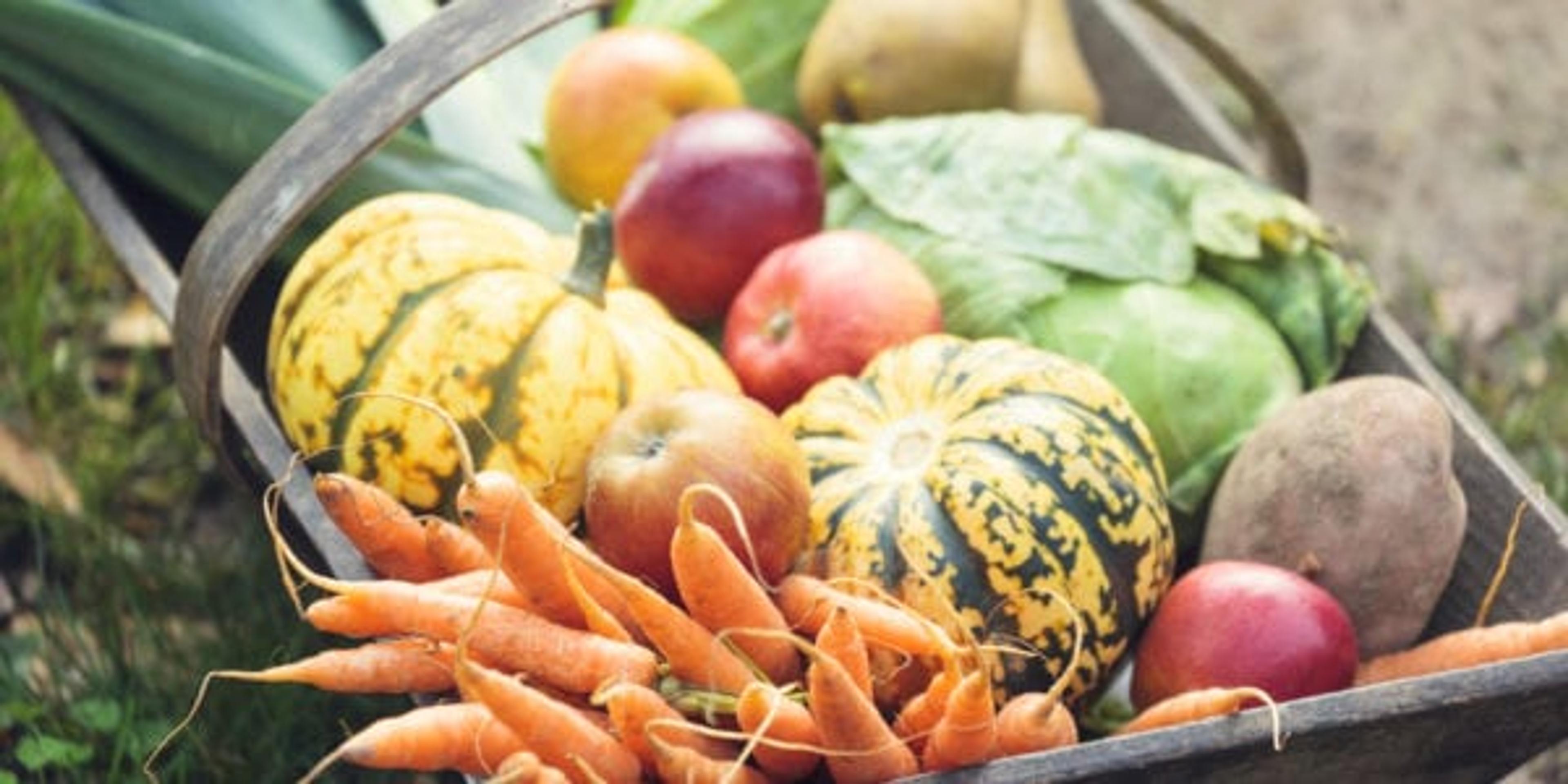
Michigan is one of the country's most diverse agricultural states, producing more than 300 commodities across approximately 45,000 farms. During the fall harvest season, Michigan orchards and fields are filled with apples, pumpkins, potatoes, grapes, cabbage and other seasonal favorites.
Whether you're planning holiday meals, looking for healthy comfort foods or shopping at local farmers markets, these fun facts about Michigan's most popular fall produce may surprise you.
Apples
There are more than 14 million apple trees in Michigan, producing more than 1.3 million pounds of apples per year. They’re an American staple that can also be used in healthy, fall-inspired desserts.
Brussels sprouts
When overcooked, Brussels sprouts release a sulfur-based compound, causing a bitter taste and displeasing smell. You can avoid this by roasting or sautéing the vegetable instead of boiling.
Cabbage
An average head of cabbage is about 90% water. Yet, it’s still high in vitamins C and K, folate and potassium. Take advantage of its health benefits by incorporating it into your favorite soup.
Carrots
One carrot has more than twice the recommended daily intake of vitamin A, a key component for healthy vision and a strong immune system.
Celery
Celery is a nutrient powerhouse with chemical compounds that help lower blood pressure and cholesterol levels. Get the most from each stalk by pairing it with carrots as an awesome soup base.
Grapes
In Michigan, there are more than 140 commercial wineries, where the Riesling grape reigns supreme. Grab a cluster and invigorate your taste buds by mixing the grapes with vegetables and curry.
Onions
Despite the tearful side effects during preparation, the average American consumes about 20 pounds of onions per year. The bulb vegetable can add a surge of flavor to any dish.
Potatoes
Although 70% of Michigan’s potatoes are used to make chips, potatoes provide healthy nutrients such as Vitamin C, magnesium and potassium. For a healthier spin on spuds, try roasted potatoes or sweet potatoes instead.
Pumpkins
In North America, the pumpkin’s roots run deep. In fact, it’s been successfully grown in the region for more than 5,000 years. It’s a fall favorite that’s also a Halloween and Thanksgiving staple.
Squash
The word squash originates from the Native American term “askutasquash,” which means “eaten raw.” However, most people prefer it cooked and as part of a larger meal.
Frequently Asked Questions About Michigan Fall Produce
1. What fruits are in season during fall in Michigan?
Apples, grapes, pumpkins and several squash varieties reach peak harvest season during the fall months.
2. What vegetables are harvested in Michigan during autumn?
Popular fall vegetables include potatoes, onions, carrots, cabbage, Brussels sprouts and celery.
3. What is Michigan's most popular fall crop?
Apples are among Michigan's most recognized fall crops, with millions of trees producing fruit each year.
4. Is seasonal produce healthier?
Seasonal fruits and vegetables are often fresher and may retain more flavor and nutrients because they're harvested closer to peak ripeness.
Fall favorite recipes
Fall produce can add a new twist to an old dish. Here are 10 recipes that make the most of this season’s offerings:
- Healthy Apple Crisp
- Crispy Brussels Sprouts “Chips” with Thyme Honey Mustard Sauce
- Glazed Roasted Carrots over Zesty Yogurt with Crunchy Pistachios
- Roasted Sweet Potatoes with Lemon Herb Ranch Drizzle
- High Protein Pumpkin Pancakes
- Butternut Squash Deconstructed Lasagna
- Arugula Pesto-Drizzled Roasted Acorn Squash
- Crispy Cast Iron Potatoes with a Sage-infused Light Aioli
- Thai-inspired Cabbage and Glass Noodles Recipe
- Fall Harvest Honeycrisp Salad in a Jar
Photo credit: Brzozowska
Related: