What Are Dirty Sodas? What Parents Should Know

Lindsay Knake
| 3 min read
Key Takeaways
- Dirty sodas can pack 60 to 120 g of added sugar and 500 to 1,000 calories per drink, far exceeding the American Heart Association’s recommended limit of 25 g for children 2 years and older.
- Many dirty sodas contain caffeine; kids younger than 12 should avoid it, and adolescents should stay under 100 mg per day to prevent sleep disruption, anxiety and a rapid heartbeat.
- Offer lower‑sugar options such as sparkling water with fresh fruit, club soda with a squeeze of lemon or lime, or a lightly sweetened homemade Italian soda, and reserve dirty sodas for occasional treats.
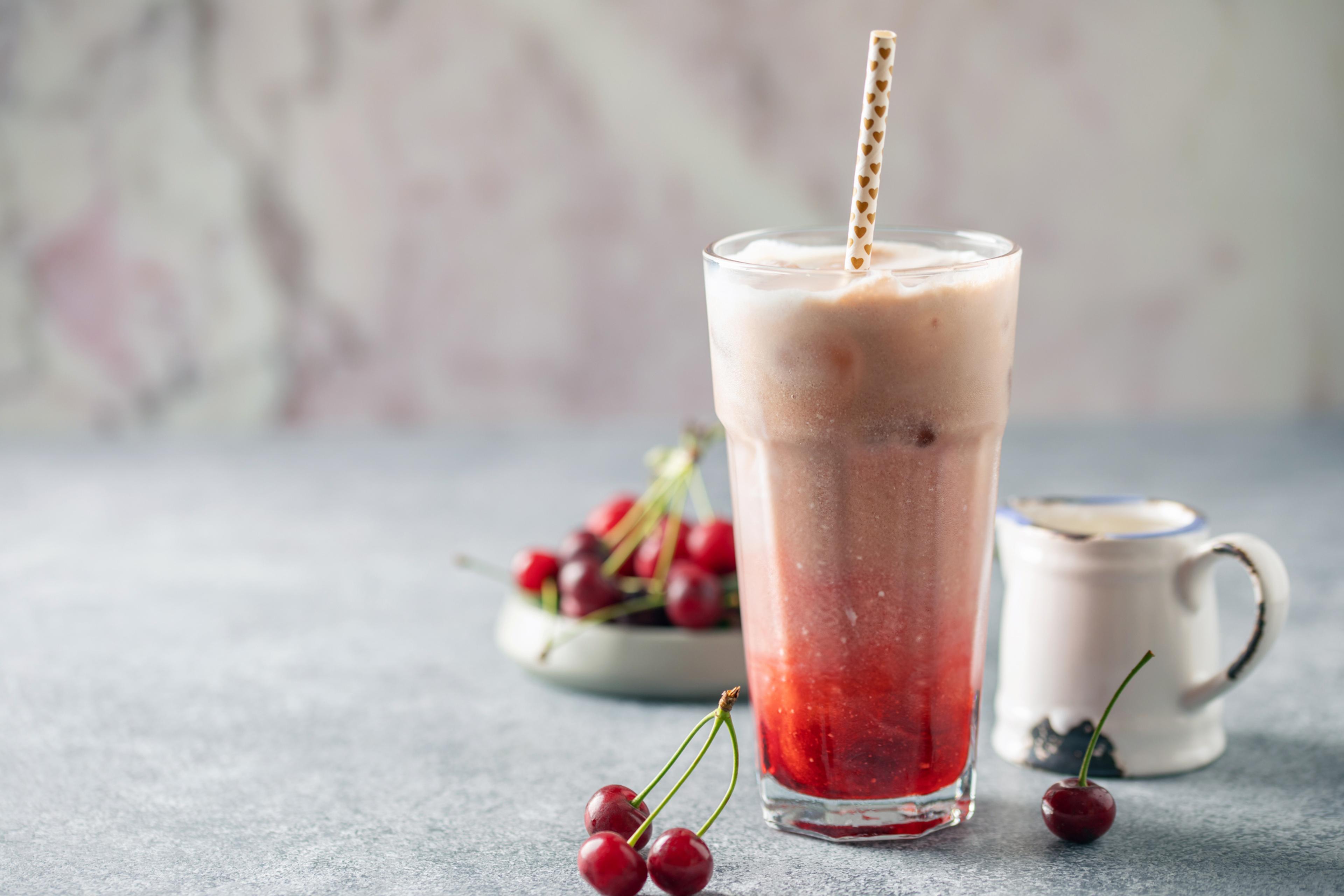
A brightly colored drink with cream, whipped cream and candy may pop up on your child’s social media. This treat looks like a dessert in a cup, and it’s called a “dirty soda.”
While the trend was popularized on TV shows and spread quickly across social media, the nutrition profile of these drinks is something parents should pay attention to. Here is what to know about dirty sodas and how you can encourage your children to drink healthy beverages and make healthy food choices.
What is dirty soda?
A dirty soda is a customizable concoction that blends a base soda with flavored syrups, cream and other mixings.
Dirty soda may include:
- Base soda: regular cola or other caffeinated sodas
- Flavored syrups: vanilla, caramel, fruit or specialty blends
- Cream, half‑and‑half or coconut cream
- Fruit‑juice concentrates for extra sweetness
- Whipped cream, candy or other toppings
Depending on the recipe and size, a single drink can pack 60 grams to 120 grams of added sugar, 500 to 1,000 calories and a notable amount of saturated fat. The drink may also have caffeine if the base soda is caffeinated.
Sugar
The American Heart Association recommends no more than 25 g or 6 teaspoons of added sugar per day for children 2 years and older. One dirty soda can contain two to four times that amount. Excess sugar is linked to:
- Higher calorie intake
- Dental cavities
- Weight gain
- Increased risk for Type 2 diabetes and heart disease later in life
Caffeine
While not every dirty soda includes caffeine, many do. Children younger than 12 should not have any caffeine, and all kids younger than 18 should not have energy drinks.
The American Academy of Pediatrics advises adolescents limit caffeine to 100 mg per day, about two cans of soda or eight ounces of coffee. Too much caffeine can:
- Disrupt sleep
- Lead to anxiety or nervousness
- Increase heart rate
- Cause headaches
If a child is already getting caffeine from chocolate, tea or energy drinks, a dirty soda can quickly push them over the recommended limit.
Liquid calories
Calories from drinks don’t curb hunger as effectively as calories from solid foods. Kids may sip several hundred calories without feeling full, leading to excess total calorie consumption.
A dirty soda as an occasional treat in an otherwise healthy diet is unlikely to harm kids. However, drinking these frequently or in place of healthy beverages such as water can lead to the negative effects.
If your child asks for a dirty soda, consider these strategies:
- Share a drink or order the smallest size
- Limit syrup pumps
- Skip whipped cream or candy toppings
- Choose a caffeine‑free soda
- Pair the drink with a glass of water
- Reserve it for special occasions
Instead of dirty sodas or beverages with a lot of added sweeteners, parents can offer:
- Sparkling water with fresh fruit such as berries or citrus slices
- Flavored sparkling water with a splash of 100% juice
- Club soda with a squeeze of lemon or lime
- Homemade Italian soda using a small amount of syrup
- Fruit‑infused water in a colorful pitcher
Helping kids eat healthy
Parents can help their children eat healthy by focusing on overall diet and teaching kids about nutrition. Children should focus on eating fruits and vegetables, whole grains, lean protein and healthy fats, and reserve treats for special occasions. When children understand why a choice matters, they’re more likely to make healthier decisions on their own.
Photo credit: Getty Images
Read on: