Peanut Allergies Are Becoming Less Common in Children: Here’s Why the Numbers Have Dropped

Lindsay Knake
| 3 min read
Key Takeaways
- Early introduction of peanut‑containing foods to infants 4 to 6 months old, as recommended by the National Institute of Allergy and Infectious Diseases in 2017, is linked to a 43% drop in peanut‑allergy diagnoses among children under 3, according to a 2025 American Academy of Pediatrics study.
- The guidelines urge parents to consult a pediatrician before offering thinned peanut butter or peanut puffs, especially for infants with severe eczema or a known egg allergy, and to avoid whole peanuts or chunky butter because of choking risk.
- Symptoms of a peanut allergy range from hives and swelling to anaphylaxis; prompt medical care and carrying an epinephrine auto‑injector remain essential even as overall allergy rates decline.
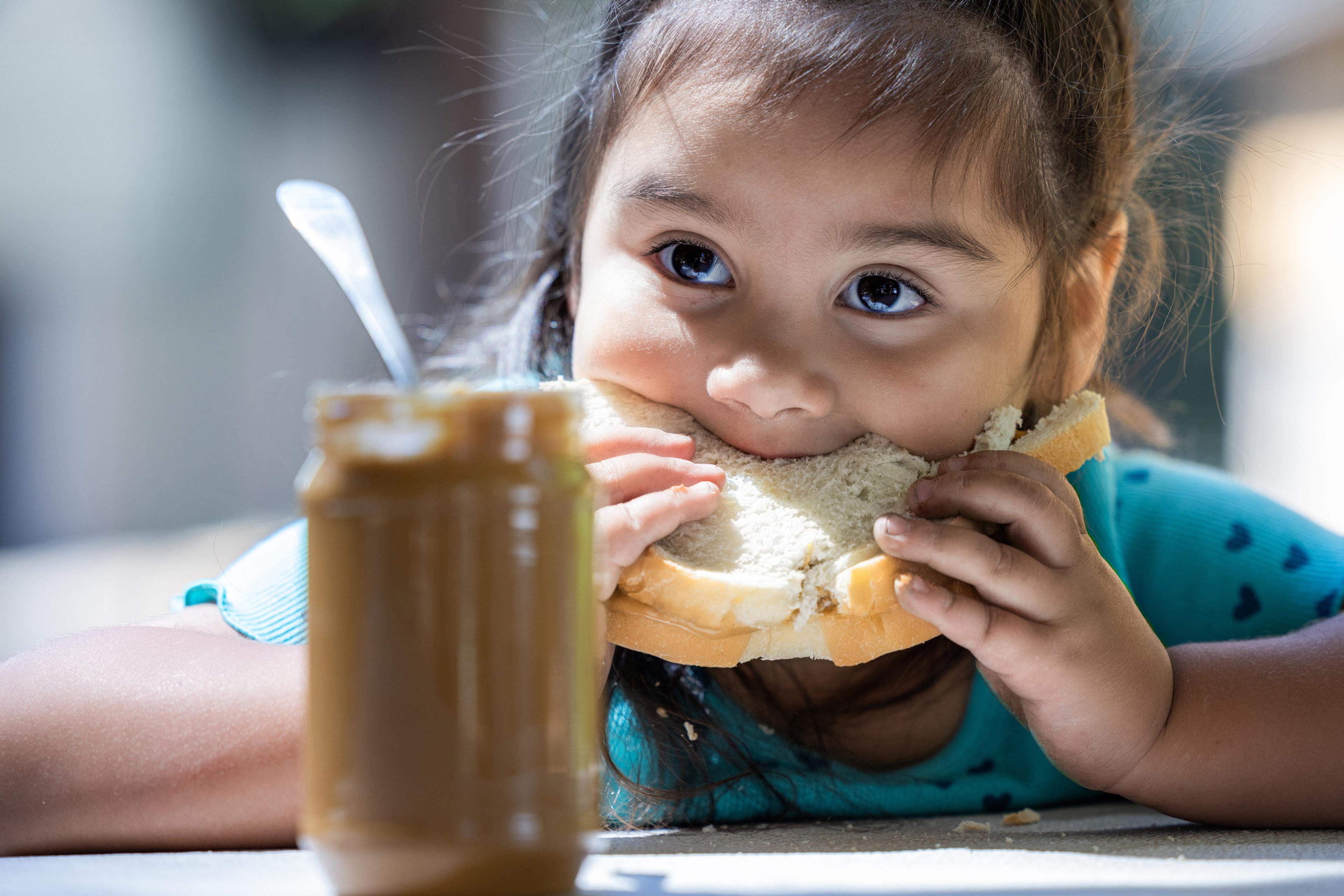
Peanut allergies are one of the most common allergies in children.
These allergies, which can cause wheezing, hives and anaphylaxis with even tiny amounts, have led schools to banning peanut products entirely to ensure the safety of children with allergies. But in recent years, thanks to new guidelines, peanut allergies in young children have dropped by 43%, according to a new observational study.
Here is a look at the guidelines for introducing foods to young children and how those guidelines have changed allergies.
New guidelines for introducing peanut butter to children
About 2.2% of American children have a peanut allergy, according to the American Academy of Pediatrics (AAP), and peanut allergies are the leading cause of fatal food-induced anaphylaxis in the United States.
Previous guidelines recommended children avoid all peanut products for the first few years of their life, but new research suggested early introducing can help train their immune system. Because of the danger this popular legume poses to those at risk and following the new research, the National Institute of Allergy and Infectious Diseases in 2017 formally recommended a new approach to introducing children to foods that commonly cause allergies.
The guidelines recommend parents and caregivers introduce age-appropriate foods like thinned peanut butter and peanut puffs or pea-sized servings of egg to infants age four to six months to train the child’s immune system and check for reactions. Before starting this, parents should talk to their child’s primary care provider (PCP). Some PCPs and pediatricians may recommend introducing these foods near a hospital or at the doctor’s office in case of a severe allergic reaction.
The guidance chances for babies who have different health conditions and how to approach introducing new foods:
- Severe eczema or known egg allergy: Parents should discuss when and how to test for a peanut allergy with their PCP.
- Mild to moderate eczema: Try peanut butter at about 6 months after consulting with the child’s PCP.
- No eczema or known food allergy: Introduce based on preferences, but there is less of a need to introduce peanut butter early.
Babies should not have peanuts or chunky peanut butter, both of which pose choking hazards.
How the food allergy guidelines are working
The AAP published a new study in November 2025 that followed allergy rates of children since these new guidelines. The study looked at the electronic health records of 125,000 children until age 3, by which age the majority of food allergies are identified.
Researchers found food allergy rates in children younger than 3 dropped by 36% from 2012 to 2020, with peanut allergies dropping by 43%.
While more research is needed, including looking at food allergies in children age 3 and older, this study indicates early introduction of common food allergens may help reduce the number of children dealing with these disruptive allergies.
Symptoms of peanut allergies
It is important for parents to know the symptoms of a peanut allergy, which include:
- Wheezing or cough
- Shortness of breath or difficulty breathing
- Hives
- Swelling of the tongue and/or lips
- Stomach cramps
- Vomiting
- Diarrhea
- Weak pulse
- Dizziness
- Confusion
- Anaphylaxis
Seek immediate medical attention if a child has any of these symptoms, especially if they eat a food that may contain or have been contaminated with peanuts.
If a child appears to have a food allergy, their PCP may recommend seeing an allergy specialist for testing. Common allergy tests include skin testing or oral tests with health care providers and treatments readily available for the child, according to the American College of Allergy, Asthma & Immunology.
Managing a peanut allergy includes limiting diets and all contact with foods that contain or are processed with peanuts and carrying an epinephrine auto-injector in case of emergency.
Image: Getty Images
Keep reading: