Sugar Linked to Increased Risk of Anxiety in Children and Teens

Lindsay Knake
| 3 min read
Key Takeaways
- Sugar-sweetened beverages are linked to a 34% increased risk of developing an anxiety disorder in teens, according to a review of research published in the Journal of Human Nutrition and Dietetics.
- The review found a correlation between increased sugar consumption and anxiety, but more research is needed to determine the effect of sugar on mood disorders.
- Parents can help their teens manage anxiety by promoting a healthy diet, regular exercise, sufficient sleep and good relationships with family and friends.
Anxiety has been increasing among young people in recent years.
About 11% of children and teens age 3 to 17 have been diagnosed with an anxiety disorder and about 20% of teens have had recent symptoms of anxiety, according to the U.S. Centers for Disease Control and Prevention (CDC).
One new review of research published in the Journal of Human Nutrition and Dietetics notes that there are a number of factors that contribute to increasing anxiety, and one may be the amount of sugar such as in in sweetened beverages.
Here is what to know about this study and how parents can help their teens manage anxiety.
The link between sugar and anxiety
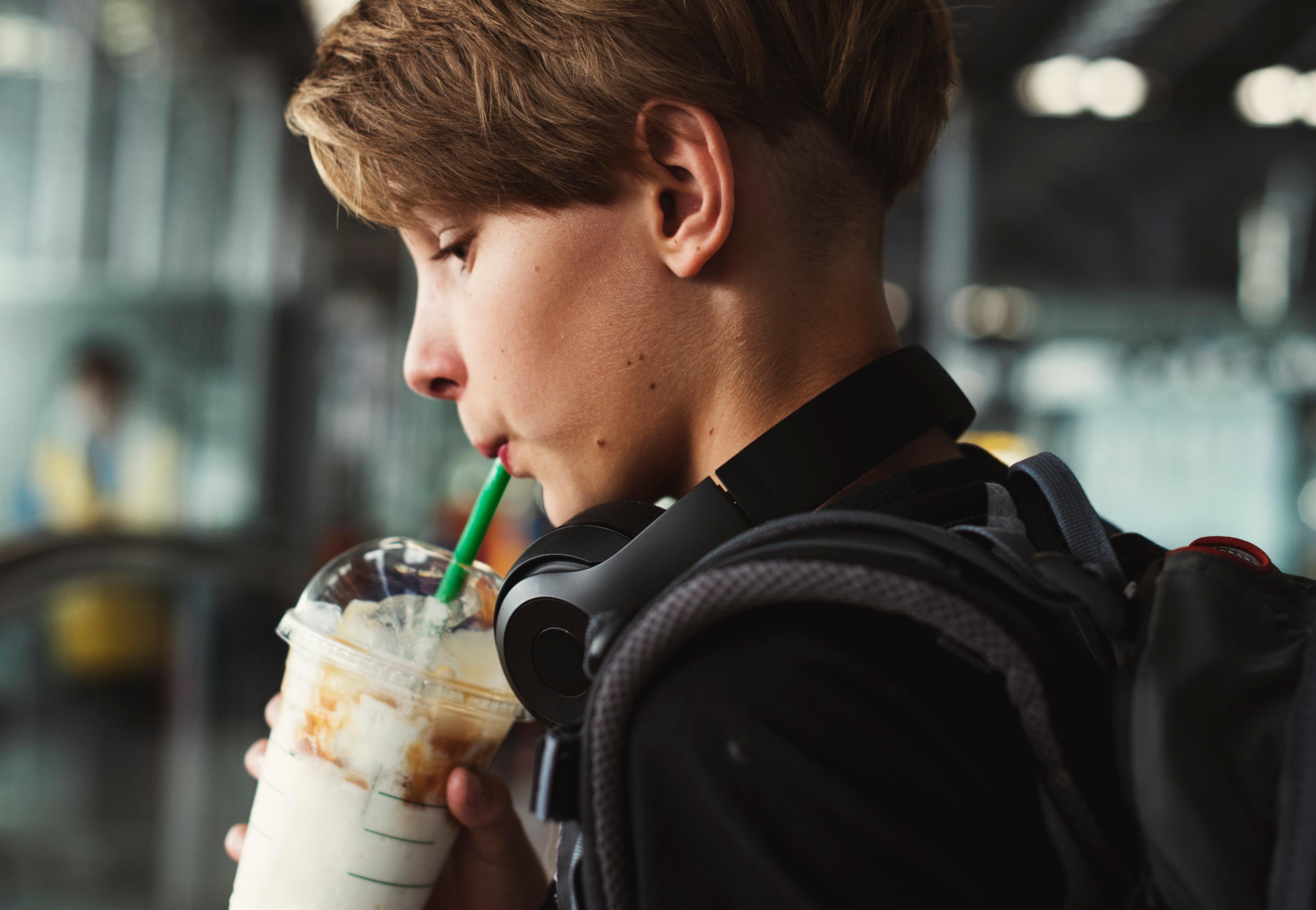
The review examined nine studies from around the world looking at the relationship between anxiety and sugar-sweetened beverages, which includes juice, soda and energy drinks. The researchers found teens who had a high intake of sugar-sweetened beverages had a 34% increased risk of developing an anxiety disorder.
There has been a trend in children drinking more sugary beverages in recent decades. An analysis of children and teens age 3 to 19 found a 23% increase in sugar- sweetened beverage consumption from 1990 to 2018.
Foods rich in antioxidants, omega-3 fatty acids, vitamins and complex carbohydrates are associated with lower levels of anxiety.
The researchers noted the study found a correlation between increased sugar consumption and anxiety, not a causation. More research is needed to determine the effect of sugar and mood disorders, but the outcomes are worth noting.
Diets high in sugar are also linked to chronic health conditions such as Type 2 diabetes and obesity. Chronic health conditions affect people of all ages; about 60% of Americans age 18 to 34 have at least one chronic condition, according to the CDC. Managing these conditions is expensive and time consuming, and they are a driving factor in the increased cost of health care.
Chronic anxiety, likewise, is connected to greater risk of depression, substance use, headaches, digestive problems and heart disease, according to the American Academy of Pediatrics (AAP).
Symptoms of anxiety in teens
Diet is one part of the rise in anxiety among teens. Other factors include genetics, personality, feeling pressure to succeed at school, social media and stressful life events, according to the AAP.
It is important for parents to recognize the symptoms of anxiety in children and teens. Here are ways anxiety shows up in children:
- Consistent fears and worry about daily life
- Irritability
- Difficulty sleeping
- Consistent feelings of headaches, stomachaches and fatigue
- Avoiding school or social interactions
- Worsening grades
- Substance use
If you notice these signs in children and teens, addressing them can help. Additionally, parents can seek help from the child’s primary care provider or a mental health professional.
While anxiety is common, it’s also treatable. Here are other ways children and teens can manage or prevent anxiety:
- Eat a healthy diet with fruits and vegetables, lean protein and whole grains.
- Replace most sugary drinks with alternatives such as fruit-infused water or sparking water.
- Get about eight hours of sleep a night.
- Exercise about 30 minutes a day, five days a week.
- Maintain good relationships with family and friends.
- Practice age-appropriate mindfulness techniques or meditation.
Image: Getty Images
Related: