Here’s How I Worked to Overcome Negativity Bias

Monica Drake
| 2 min read
Why is it that, no matter how many compliments I may receive, it's the criticisms that stick the most?
I've always struggled with my self-confidence. The only thing I'm not self-conscious about is my writing. Earlier this year, though, when I wrote an article as a favor to help a small business owner promote her work, she ended up heavily criticizing my writing instead. She didn't offer constructive feedback or tell me what she wanted; she just said she didn't want to use it.
In my day job, it’s normal to receive edits and feedback, and I know how valuable the collaborative process is. But this instance was different; it was the rejection of a favor with zero guidance. After that interaction, for a while, I second guessed every word I wrote – especially since I had no idea what I did wrong. Writing is my job, and it was hard.
Our brains are hardwired to give more weight and lasting impact to negative experiences than to positive ones. Psychologists call this the "negativity bias." For instance, no matter how many times my husband may compliment me, it's the criticism from a guy who said I had an “ugly nose” when I was a teenager that still repeats in my head.
According to Positive Recovery Centers, this has an effect on our mental health and self-perception over time.
What I’ve done to overcome negativity bias
To manage this, I surround myself with positive people who make me feel good about myself. I've spent my 30s cutting out the people in my life who build themselves up by tearing others down.
Another way to combat negativity bias is by practicing gratitude. I take time each day to think about what I’m thankful for, and I try to make it a habit to write down the good things that happened. For instance, when a stranger randomly told me I seemed like a "cool mom,” I tried to savor the interaction, replaying it whenever an insult tries to creep into my brain.
It’s also important to remember that some people can be negative. I know some people won’t like me or a piece of work I do. It says nothing of my character.
In the end, that's what really matters. Instead of obsessing over what one person says, I focus on the people who have my back— the supportive colleagues and mentors who help make me stronger, or the friends and family who lift me up and love me no matter what. I work on being loyal, reliable and kind, and focus on what I can control.
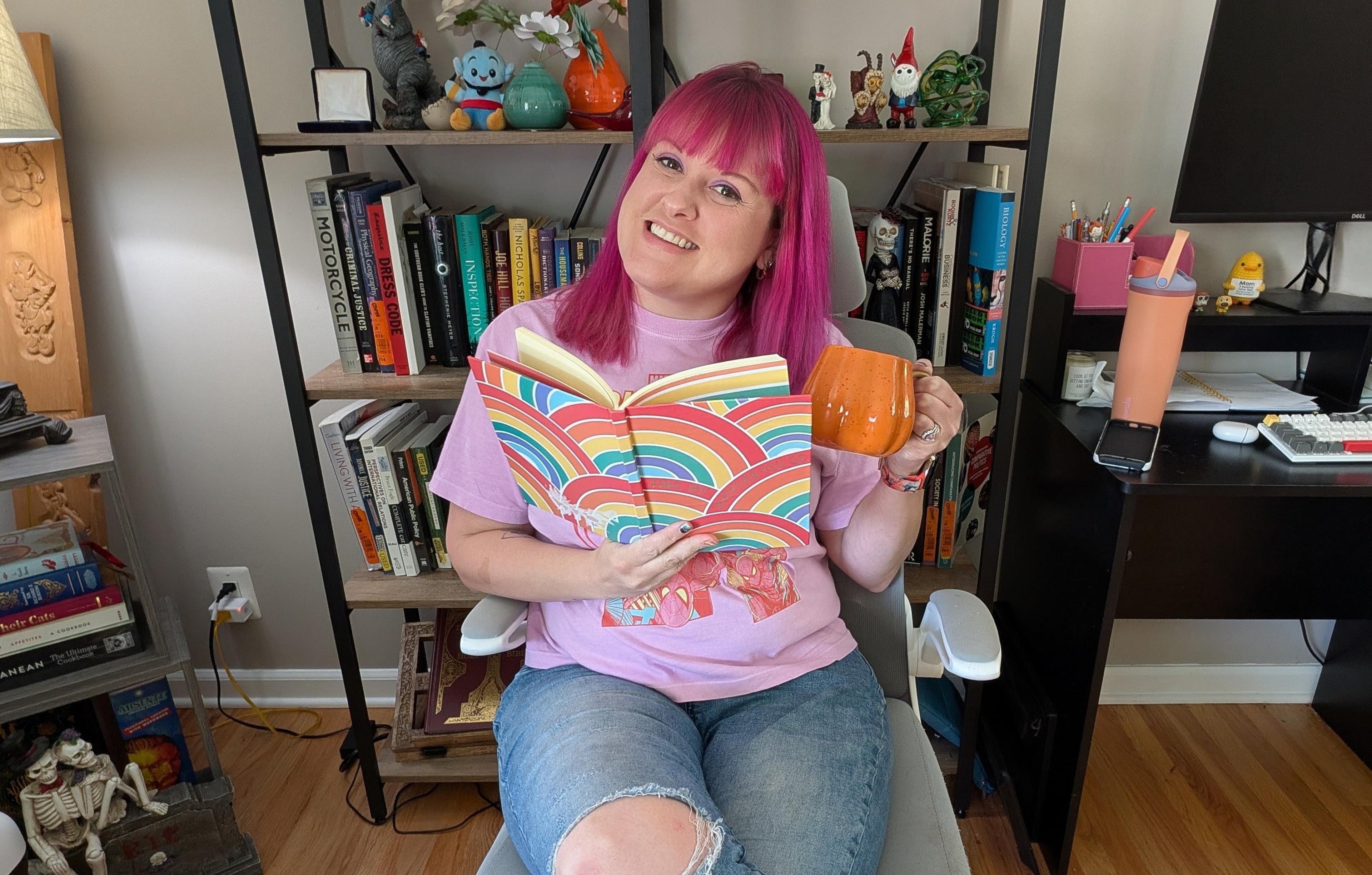
Photo credit: Courtesy of Monica Drake