Is Smoked Meat Healthy?

Lindsay Knake
| 3 min read
Key Takeaways
- Smoking meat can introduce polycyclic aromatic hydrocarbons and heterocyclic amines, chemicals that have been shown to cause DNA changes in animal studies, though a direct link to cancer in humans has not been definitively proven.
- The World Health Organization classifies processed meats—including smoked varieties—as a Group 1 carcinogen, and red meat as a Group 2A carcinogen, meaning regular consumption is associated with higher risks of colorectal, breast and prostate cancers, heart disease and Type 2 diabetes.
- To limit potential hazards, enjoy smoked meat only occasionally, choose milder hardwoods such as apple or cherry, avoid open flames and long cooking times, trim charred portions, and balance your diet with poultry, fish, legumes, fruits, vegetables and whole grains.
Whether brisket or pork tacos, smoked meat is a fun part of summer meals.
Are there any risks with consuming smoked meat? Here is a look at the research about this method of cooking.
Is smoked meat healthy?
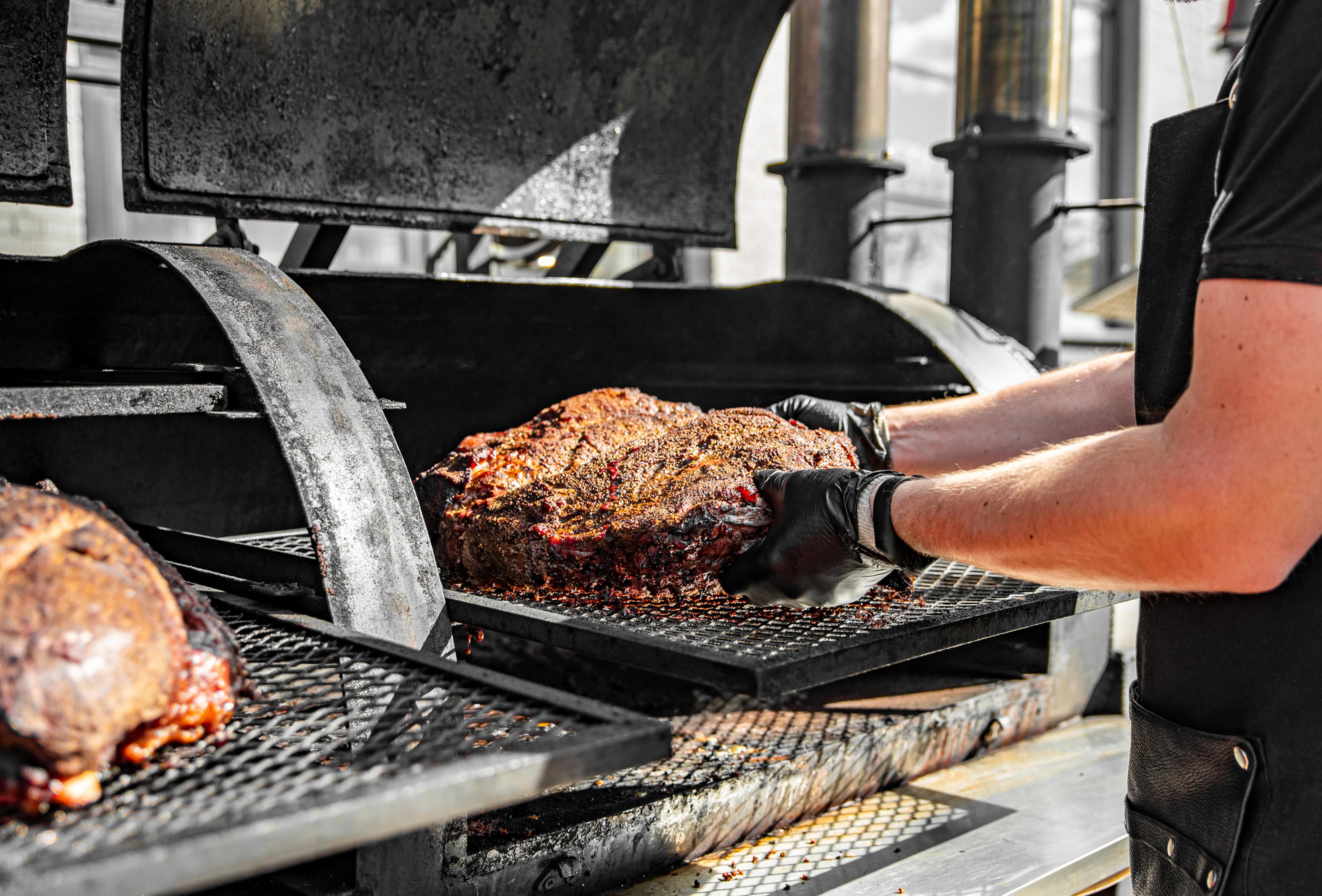
Roasting meat above a wood fire, often with water, is a popular cooking technique. Smoking cooks or flavors meat using smoke from smoldering wood, sometimes at low temperatures over a long period. The smoke from the wood, which helps create the taste, can contaminate meat with polycyclic aromatic hydrocarbons (PAHs) and heterocyclic amines (HCAs), according to the Cleveland Clinic. PAHs form when fat from the meat melts and drips onto the fire, and then the smoke with PAHs adheres to the meat, according to the National Cancer Institute (NCI). Amino acids in the meat react at high temperatures or when the meat is cooked for a long period of time to create HCAs.
Both of these substances are mutagenic, which can cause changes to your DNA and may increase your risk of cancers when your body metabolizes them, per the NCI. But the research on this is ongoing.
Exposure to PAHs and HCAs have increased the risk of cancer in rat studies, but these studies give rodents many times the amount of these chemicals than a human would have, according to the NCI. There is not a definitive link between PAHs and HCAs and cancer risk in humans, and there are ongoing studies to examine the connection between methods of cooking meat and cancer risk, according to the NCI.
While the cooking method is still under research, consuming large amounts of red meat is connected to several health risks. The World Health Organization (WHO) has classified processed meat, including smoked meat, as a Group 1 carcinogenic because it is linked to an increased risk of colorectal cancer. Red meat, including beef and pork, is classified as a Group 2A carcinogen, which means this type of meat is “probably carcinogenic to humans,” according to the International Agency for Research on Cancer.
Smoked or not, eating large amounts of red meat and processed meat is connected to the increase of cancers, including breast and prostate cancer, heart disease and Type 2 diabetes.
Smoked meat as part of a healthy diet
What does this mean for your summer barbecue plans? Eating smoked meat on occasion won’t pose a huge risk, according to Baylor University, but eating it regularly increases the risk of negative effects. If you smoke meat, choose hardwoods such as apple or cherry, which produce a lighter smoke compared to wood such as hickory or mesquite.
For those who would like to reduce their exposure to HCAs and PAHs, here are a few tips:
- Avoid cooking meat over open flames
- Avoid long cooking times
- Turn meat regularly when cooking it on a high heat source
- Remove charred parts of the meat
- Don’t use the drippings for gravy
You may want to limit the amount of red and processed meat and rely on poultry, fish and legumes as regular sources of protein in your diet. Also, eat plenty of fruits and vegetables and whole grains and get regular exercise for overall health and to reduce your risk of cancer.
Photo credit: Getty Images
Read more: