Does Honey Go Bad?

Lindsay Knake
| 3 min read
Key Takeaways
- Rich in flavonoids and polyphenols, honey offers antioxidant and anti‑inflammatory benefits and can soothe sore throats, yet it remains a sugar source with more calories per tablespoon than table sugar, so it should contribute no more than 10 % of daily calories.
- Honey’s low moisture and acidic pH give it a naturally long shelf life, but it can spoil if exposed to moisture, heat or contaminated utensils; discard it if it molds, smells alcoholic or foams.
- Store honey in a dark, cool place and use a clean utensil each time to prevent introducing bacteria to the honey.
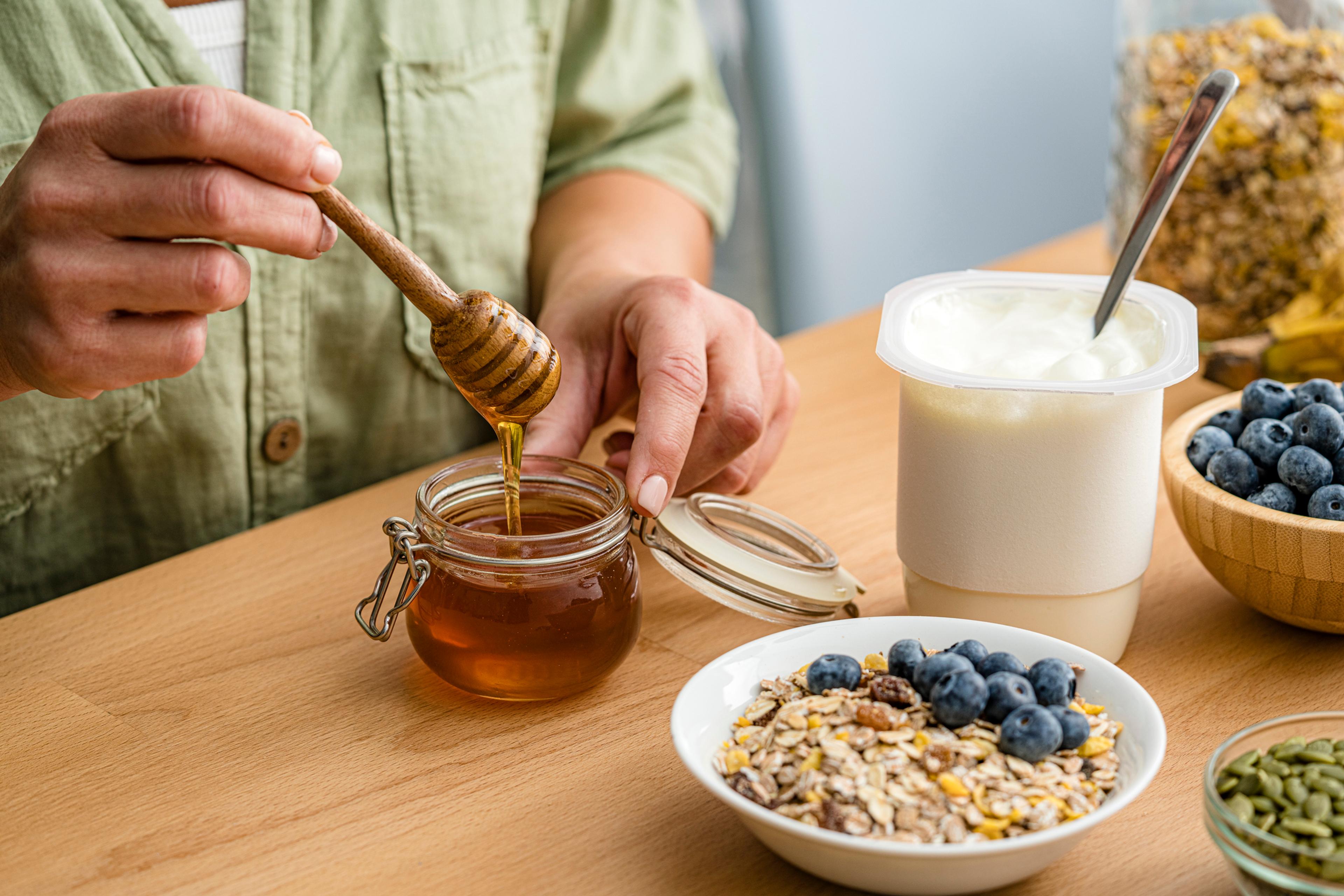
If you have a jar of honey in your cupboard, you may wonder if it’s still safe to eat and whether honey goes bad.
Learn more about the potential health benefits of honey to replace sugar, whether honey goes bad and how to tell and how to safely store honey.
The health benefits of honey
Honey is a natural sweetener, and it has a few benefits table sugar doesn’t. This liquid sugar made by honeybees has flavonoids and polyphenols, which are antioxidants, according to the Cleveland Clinic. Antioxidants can reduce the risk of chronic diseases such as Alzheimer’s, heart disease, diabetes and cancer. They fight free radicals, which are unstable molecules in your body that can cause cell damage and oxidative stress, which can contribute to chronic conditions.
Flavonoids and polyphenols are also anti-inflammatory. While short-term inflammation is a normal healing process in the case of a cut or illness, chronic inflammation is associated with the risk of chronic conditions and diseases, per the Cleveland Clinic. Replacing some sugar with honey can provide those antioxidants and anti-inflammatory benefits.
Honey can also help ease the discomfort from a sore throat and work as a cough remedy, according to the World Health Organization. Adding a little honey to a cup of tea when you’re sick can provide some relief with hydration.
Honey can be a healthier swap for sweetening teas, coffee and other recipes that need sugar. But honey is still sugar and it has more calories per tablespoon than table sugar. No more than 10% of your daily calories should come from sugar, according to the Dietary Guidelines for Americans. In a 2,000-calorie per day diet, 200 or fewer calories should come from added sugars.
Infants and babies age 1 and younger should never have honey, which can cause botulism because their immature geostatistical tract can’t handle the Clostridium botulinum spores that could be present in honey.
Does honey go bad?
The chemistry of honey makes it difficult for bacteria or mold to thrive. Raw honey has an extremely long shelf life because of its low moisture content and acidic environment. The U.S. Department of Agriculture notes properly stored foods are safe to eat after their “use by” or “sell by” date, which indicates optimum freshness and flavor.
But honey can go bad, and storing it properly will help keep it safe and consumable for years. Here are a few tips for storing honey:
- Keep raw honey in an air-tight container and store it in a cool, dry and dark location. Moisture could lead to mold and yeast growth, according to Clemson University.
- Keep honey out of heat, which can change the flavor and color.
- Use only clean utensils in the honey container. Dirty utensils can introduce bacteria and contaminants.
If you notice your honey has mold, smells like alcohol or foams, throw it out, according to the Mississippi State University Extension.
Honey can become cloudy or crystalized, but it’s still safe to eat unless it shows another sign of going bad. You can eat it that way or reliquefy it by placing the container in warm water.
Image: Getty Images
Related: