Are Dates Good for You as a Pre Workout Snack?

Lindsay Knake
| 3 min read
Key Takeaways
- Dates are a quick source of carbs and potassium, delivering roughly 30 grams to 60 grams of carbohydrates and 167 mg of potassium per two Medjool dates—enough to fuel moderate‑intensity workouts.
- The high fiber content (about 3 g per two dates) can cause gastrointestinal upset for some athletes, especially those with IBS or who are sensitive to high‑FODMAP foods.
- Test dates on a low‑stakes training day, starting with one date 30 to 60 minutes before exercise, and keep a bathroom nearby; if tolerated, they can serve as an easy, portable pre‑workout snack.
You may have heard of dates as a natural pre-workout snack food, much less processed than gels and energy bars.
This small fruit has several nutritional benefits that can make it a simple and effective snack before exercise. Learn more about the nutrition of dates, but also the risks that may not make them the best workout fuel for everyone.
Are dates good for you as a pre-workout snack?
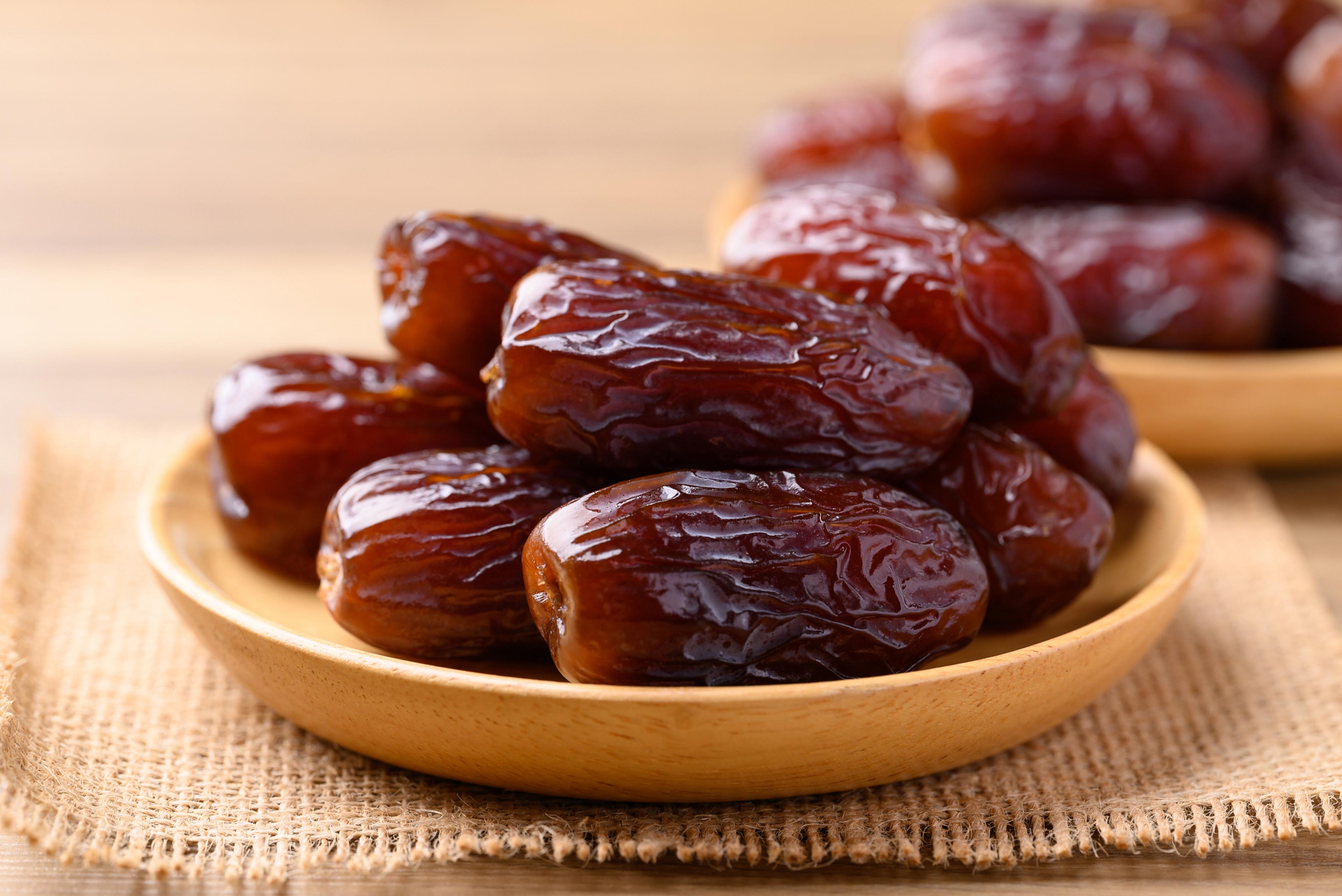
Dates are the fruit of the date palm tree, which grow in northern Africa and Asia. Most dates available in the United States are dried.
Dates are a good source of carbohydrates, necessary fuel for a big workout or a run. Carbohydrates provide glycogen, which your muscles use as fuel in exercise, according to the Cleveland Clinic. One medium-size Medjool date provides about 18 grams of carbs, meaning two or three will give you 30 to 60 grams of carbs.
One date contains about 167 grams of potassium, which is an essential electrolyte your body needs during exercise. Dates are dense in calories, with about 66 calories each, which your body needs for an intense workout.
Small, compact and easy to transport, this fruit can be less time-consuming than mixing an electrolyte drink. Popping one or two dates may give you the fuel you need for a good workout.
The risks of dates before workouts
While dates offer plenty of nutrients and health benefits, they can have some drawbacks as a pre-exercise snack.
Dates are higher in fiber, with about 3 grams per two dates. While 90% of Americans don’t get enough fiber in their diets, dates may provide a little too much fiber ahead of a workout. This can lead to unwanted bathroom breaks, especially during a run.
Should this happen to you, incorporating dates as a post-workout snack can provide carbohydrates, a little protein, and vitamins and minerals such as magnesium and iron that can help you recover.
If you have irritable bowel syndrome or have had trouble with gastrointestinal (GI) distress while you run or exercise, you may want to consider another pre-workout snack. Dates are high-FODMAP foods, which means they ferment during digestion and can lead to bloating, abdominal gas and diarrhea.
Trying dates as a pre-workout snack
Finding the best pre-workout snack can take a little trial and error. To try dates as a pre-workout snack, start with one Medjool date about30 to 60 minutes prior to exercise. You may want to stay near a bathroom just in case the dates cause GI distress or discomfort. If the date works for you, you could add another and see how it works.
It’s important to not try anything new right before a competition or big workout. Pick a lighter day where the outcome is less important to test new pre-workout fuel.
Photo credit: Getty Images