How to Get Rid of Eye Bags

Lindsay Knake
| 3 min read
Key Takeaways
- Age‑related loss of muscle tone and collagen is the most common cause of under‑eye puffiness, but high‑salt diets, dehydration, allergies and certain medical conditions can also contribute.
- Simple at‑home steps—cool compresses, adequate hydration, seven to eight hours of sleep, caffeine‑infused teas or eye creams, and limiting sodium and smoking—can markedly reduce the appearance of eye bags.
- Eye bags are usually cosmetic; however, seek medical attention if swelling persists for more than 24 hours, or if the skin becomes painful, itchy or red, and discuss professional options such as fillers or surgery with a PCP or dermatologist.
Dark circles or puffiness under your eyes can make you look fatigued.
This physical condition can seem stubborn; how can you manage eye bags? Using a cool compress, moisturizing the skin around your eyes with products that support collage production, applying caffeine products or teabags, staying hydrated and limiting sodium can all help. The right solution depends on what’s causing your eye bags.
Here’s a look at some of the causes of eye bags and some remedies to reduce their appearance.
What causes eye bags?
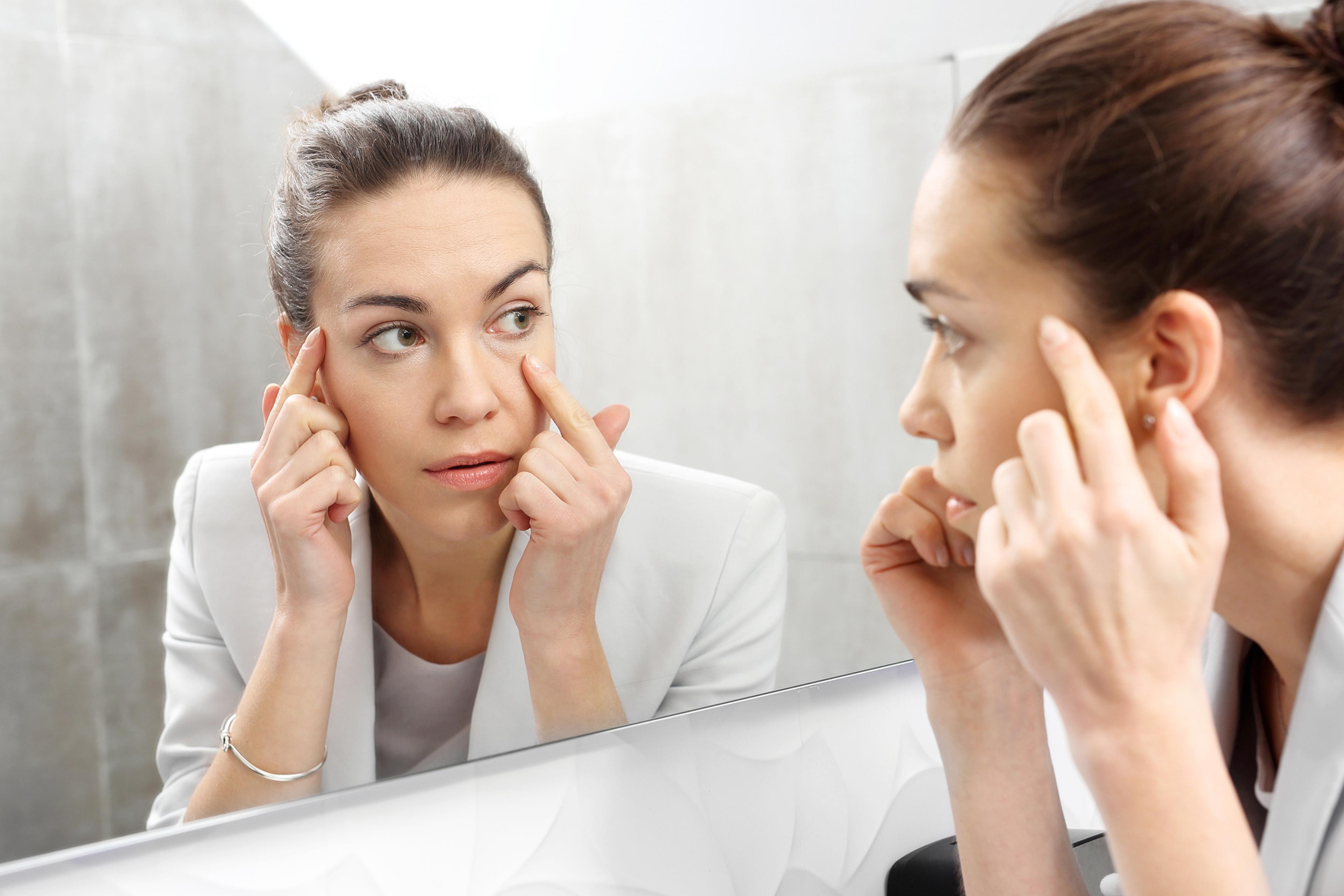
Bags under your eyes are the appearance of swelling or puffiness. You may also have hyperpigmentation in the skin, known as dark circles, which can be caused by genetics, allergies or shadows, per the Cleveland Clinic. The most common cause of eye bags is age. As you get older, the muscles and tissue around the eye weaken, allowing fat to come into the area under the eye and look puffy, according to Johns Hopkins Medicine. Collagen, a protein in the skin that provides structure and elasticity, also decreases over time and can contribute to sagging or weakened skin, per the Cleveland Clinic.
Other contributors to eye bags include:
- A high-salt diet, which can cause you to retain water and experience swelling
- Dehydration, including from drinking alcohol
- Allergies, including rubbing your eyes from symptoms of hay fever
- A family history of this physical characteristic
- A medical condition such as a thyroid problem
Eye bags are typically cosmetic and not harmful, according to the American Academy of Ophthalmology (AAO). If you want to discuss further options for treatment, talk to your primary care provider (PCP). Seek medical care if there is swelling around your eyes for 24 hours or more or if the skin is painful, itchy or red.
How to get rid of eye bags
You may be able to reduce the appearance of eye bags with some at-home remedies, according to the Cleveland Clinic, such as:
- Use a cool compress such as a cold, wet washcloth or an icepack wrapped in a towel around your eyes for a few minutes. Sit upright and apply gentle pressure to reduce puffiness.
- Moisturize the skin around your eyes and use skincare products such as retinoids, which may help build collagen in your skin.
- Apply caffeine products, or even teabags, which can constrict blood vessels and reduce puffiness.
- Use cosmetic products such as concealer but avoid anything that irritates your eyes. Mascara, eyeshadow and other similar products could make your eyes puffy.
- Avoid rubbing your eyes. If you have allergies, use over-the-counter antihistamines or antihistamine eye drops to relieve symptoms of allergies. Manage allergens in your environment with air filters, regular vacuuming and laundering bedding.
- Get seven to eight hours of sleep. Use a pillow to keep your head raised, which could prevent fluid from settling under your eyes.
- Talk to your PCP about sodium in your diet and consider limiting sodium intake if its high.
- Hydrate with water but ease your fluid intake before bed to reduce fluid retention overnight.
- Quit smoking if you smoke as smoking can contribute to collagen loss and thinning of the skin.
Be careful about the type of products you apply around your skin, as the skin is thinner than in other areas of your body and some treatments may harm your eyes. Repeatedly using hydrocortisone creams around your eyes, for example, may contribute to developing cataracts.
There are other interventions you can discuss with your PCP or dermatologist, including dermal fillers, a chemical peel or even surgery.
Photo credit: Getty Images