Beyond Sunscreen: How Diet Plays a Role in Protecting Your Skin

Shanthi Appelo, MS, RD
| 3 min read

Key Takeaways
- A 2024 Nutrients study links vitamins A, C, D, E, zinc, selenium, copper and omega‑3 and omega‑6 fatty acids to antioxidant protection, collagen support and skin‑barrier maintenance.
- Whole‑food diets rich in fruits, vegetables, nuts, legumes and fatty fish—and low in refined sugar and processed additives—are associated with better skin hydration, reduced inflammation and slower aging.
- Adequate hydration—about 3.7 L (125 oz) per day for men and 2.7 L (91 oz) for women, plus water‑rich foods—helps maintain skin elasticity and barrier function, complementing sunscreen use.
When the warm weather hits, most skin-protection advice starts and ends with sunscreen. But skin health isn’t just based on what’s applied topically – it’s also based on what we eat and drink.
Research increasingly shows that diet and nutrition can influence how the skin withstands sun exposure, inflammation, dryness and everyday wear and tear. Daily SPF remains one of the best ways to help protect skin from ultraviolet (UV) damage, but healthy skin habits do not stop there.
The overlooked connection between nutrition and skin health
As the body’s largest organ, skin does much more than just affect appearance. It acts as a protective barrier by helping to regulate moisture while also playing a role in immune defense. Because it is constantly exposed to outside stressors like heat, pollution and UV rays, skin relies on steady internal support to stay healthy; nutrition is one of those support systems.
A 2024 study published in Nutrients found a strong connection between diet and skin health, pointing to the role of vitamins, minerals, essential fatty acids and plant-based foods in helping maintain the skin barrier and support repair processes. Another new study examining diet and skin health noted that dietary habits can influence skin physiology, hydration and even how skin ages.
The Nutrients study also suggests that incorporating prebiotics through whole-food diets can support a healthy gut microbiome, which could benefit inflammatory skin conditions.
Foods that may help support skin repair and reduce UV-related stress
No food replaces sunscreen, but certain nutrients may help support the skin’s natural defenses and recovery systems, especially during months with more sun exposure.
The Nutrients study highlights vitamins A, C, D and E, along with zinc, selenium, copper and omega-3 and omega-6 fatty acids, as important for skin health. These nutrients are associated with:
- Antioxidant protection
- Collagen support
- Maintaining the skin barrier
The same study touts plant compounds such as polyphenols and flavonoids, which may help reduce oxidative stress caused by UV exposure.
This means meals built around colorful, whole foods can be beneficial for skin health. Fruits and vegetables like berries, tomatoes, leafy greens, citrus, bell peppers and watermelon deliver antioxidants and vitamin C to support collagen production, while nuts and seeds offer vitamin E and healthy fats. Fatty fish such as salmon and sardines provide omega-3 fatty acids, which may help support the skin barrier and calm inflammation.
The Nutrition review also found that dietary patterns play a role. That study linked lower-quality eating habits – including eating too much refined sugar, fat and certain additives – to poorer skin outcomes, while diets rich in fruits, veggies, nuts, legumes and other minimally processed foods were associated with healthier skin.
Why hydration matters so much for skin
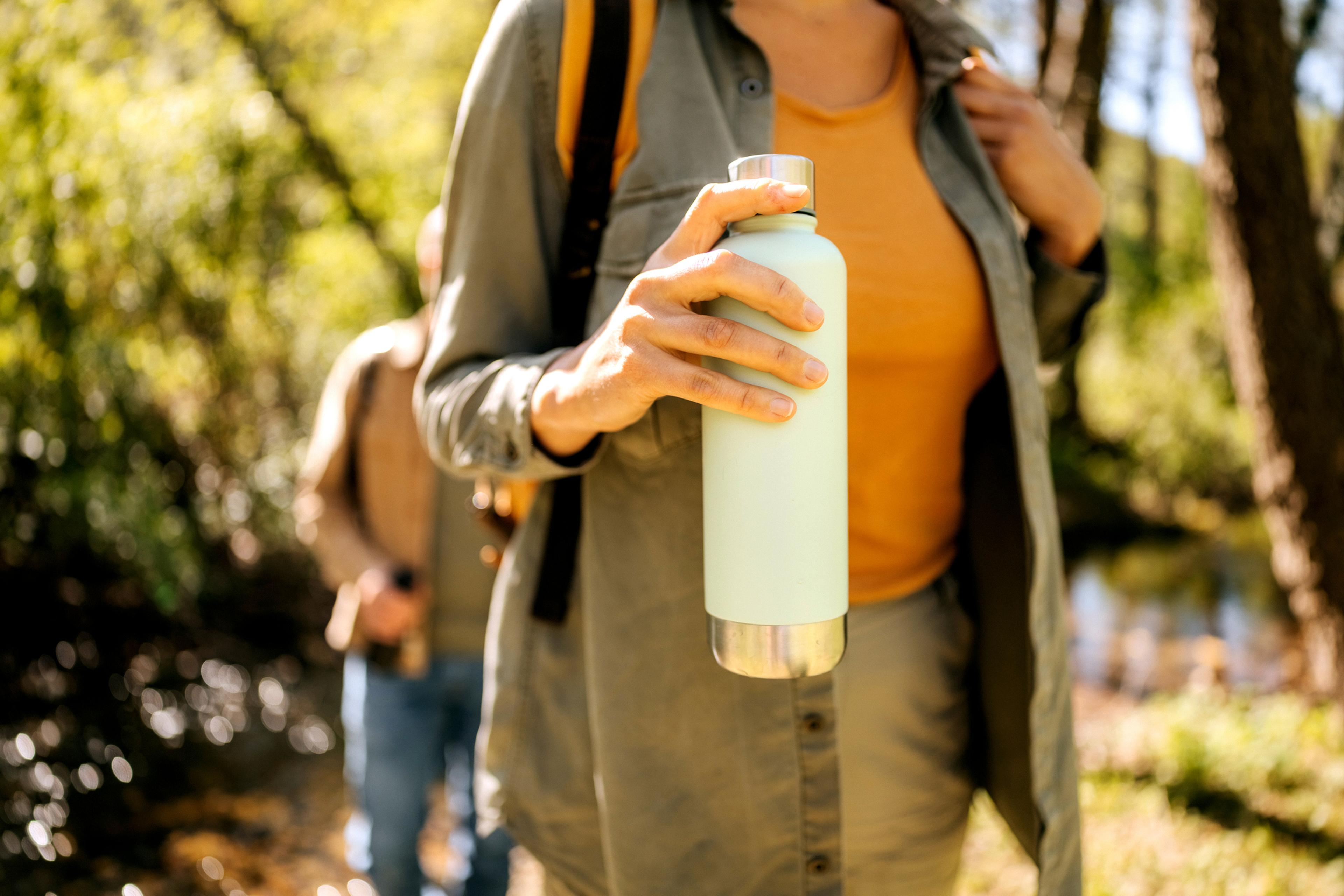
Don’t underrate hydration as a skin-healthy habit, especially during the summer.
Skin needs water to help maintain elasticity, softness and barrier function. The Nutrition review identified low water intake as a dietary habit that can negatively affect skin, while adequate water intake was associated with healthier skin overall.
Steady hydration can help skin function the way it is supposed to. The National Academies of Science, Engineering and Medicine recommend that:
- Men consume 3.7 liters (125 ounces) of water each day
- Women consume 2.7 liters (91 ounces) of water each day
Additionally, about 20% of your daily fluid intake comes from food. Foods with high water content include cucumbers, tomatoes, watercress, apples, celery, watermelon and lettuce.
So, while sunscreen is essential, it’s not the only way to support healthy skin. The foods and fluids we consume can help the skin stay resilient, hydrated and better equipped to handle summer sun and heat.
Shanthi Appelö is a registered dietitian and health and wellness spokesperson at Blue Cross Blue Shield of Michigan. For more health tips and information, visit AHealthierMichigan.org.
Image: Getty Images
Related: