These Foods and Drinks Have More Sugar in Them Than You Expected

Lindsay Knake
| 4 min read
Key Takeaways
- Many everyday foods and drinks contain more added sugar than consumers may realize, including condiments, flavored dairy products, sweetened plant-based milks, breakfast cereals, protein bars and white bread.
- Sugary beverages remain one of the largest sources of added sugar. A 12-ounce soda can contain about 40 grams of sugar, while specialty coffee drinks, sports drinks and store-bought smoothies can also contribute significant amounts.
- Reading Nutrition Facts labels and ingredient lists can help reduce added sugar intake. Choosing unsweetened products, whole wheat bread, fresh fruit and lower-sugar alternatives supports better long-term health and may lower the risk of obesity, heart disease and Type 2 diabetes.
Americans eat on average 15 to 19 teaspoons of added sugar daily, according to the Centers for Disease Control and Prevention (CDC). Excessive sugar consumption is associated with weight gain, which may increase risk of heart disease, high blood pressure and Type 2 diabetes.
The American Heart Association (AHA) recommends no more than six teaspoons of added sugar each day for women and nine teaspoons of added sugar daily for men.
When you’re picking out foods, there are plenty you may not realize that add to that amount of daily sugar. Here’s a look at some of the foods you may want to read the ingredient label before buying.
Foods and drinks with more sugar than you expect
Condiments, dressings and sauces
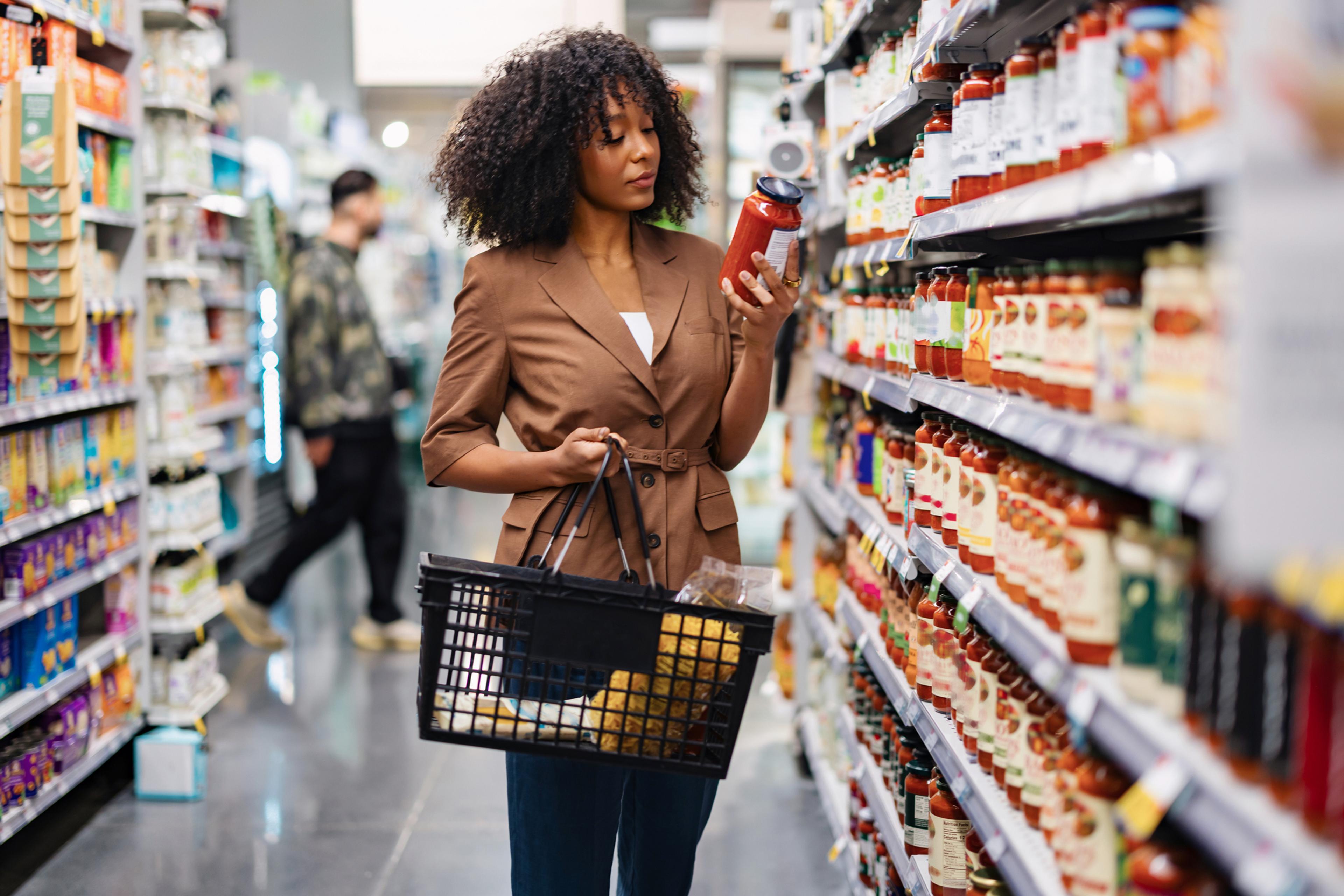
Even though they are generally savory, favorite condiments and sauces such as ketchup, barbecue sauce, marinara sauce and salad dressing often have added sugars, per the CDC. For example, some sweet barbecue sauces contain up to 16 grams of added sugar in only 2 tablespoons.
Dairy, alternative milks and coffee creamers
Depending on the brand, an 8-ounce serving of chocolate milk may contain10 to 16 grams of added sugar, while many flavored yogurts provide 8 to 15 grams per 5 to 6 ounce serving. Even small amounts of flavored coffee creamer can add up, with many varieties containing4 to 6 grams of added sugar per tablespoon. Sweetened alternative milks can add 4 to 16 grams of added sugar per 8 ounce serving, while unsweetened varieties contain little to no added sugar. Consider choosing unsweetened versions when possible and compare the Nutrition Facts label.
Protein bars, granola, instant oatmeal and breakfast cereals
Sweetened breakfasts foods and snack bars are often packed with added sugars, including honey, rice syrup or high fructose corn syrup.
Canned fruit, jellies and jams
Canned fruit often comes packed in sugary syrup, and jams and jellies are sweetened with added sugar. Jam can be about equal amounts of fruit and sugar to preserve the fruit, but it means morning toast can be a sugar bomb. You can find fruit canned in juice and low-sugar jams and jellies instead.
Nut butters
Your jar of peanut butter may have 2 grams of sugar per 2 tablespoons. Some nut butters have added sugar for flavor and texture, but you can often find unsweetened options.
Sodas, energy drinks, coffee drinks and smoothies
Soda is a highly sugary beverage; a 12-ounce can have 40 grams or 10 teaspoons of sugar alone. Newer treats like dirty sodas may have four to seven times that amount. A specialty coffee drink with milk, sugar and whipped cream may have 10 teaspoons of sugar. Coffee doesn't have to be a major source of added sugar. Consider flavoring your coffee with milk, unsweetened alternative milk, cinnamon, vanilla extract or unsweetened cocoa powder instead of sweetened creamers and flavored syrups. These simple swaps can help reduce added sugar while adding flavor.
A 12-ounce serving of a sports drink may have around 20 grams or 5 teaspoons of sugar. Choosing unsweetened versions of these drinks or alternatives like sparking water can reduce your sugar intake.
Store-bought smoothies can also have a lot of sugar, per the American Kidney Foundation. Making one at home can help you manage the ingredients and added sugar levels, and if you order one, ask for no added sugar, flavored syrups or sweetened toppings.
White bread
White bread is made from refined wheat and sometimes has added sugar for flavor. The refined wheat loses the fiber that helps your body regulate blood sugar levels.
How to avoid added sugars in your diet
When you are reading an ingredient label, look for sugar in the following forms:
- Cane juice
- Corn syrup
- Dextrose
- Fructose
- Fruit nectars such as agave
- Glucose
- High fructose corn syrup
- Honey
- Malt syrup
- Sucrose
- Sugar cane
There are simple swaps you can make to lower your daily added sugars. Choose lower-sugar items, unsweetened drinks or add fresh fruit to plain yogurt. A dessert of fruit rather than ice cream or whole wheat bread instead of white bread provides less sugar and more nutrients and fiber. A dessert can be an occasional part of a healthy diet, but reducing added sugars will help prevent expensive chronic diseases and support better long-term health.
Photo credit: Getty Images