The Science Behind Why Kids Reject Healthy Foods

Lindsay Knake
| 3 min read

Key Takeaways
- The causes of picky eating in children are complex and rarely come down to a single factor, including how foods are introduced to children, pressure to eat and the parent-child relationship.
- Children commonly have stages of pickiness, with young toddlers often eating whatever is offered but asserting their autonomy as they get older.
- To encourage kids to eat healthy foods, stay calm and positive about their diet, provide a variety of fruits and vegetables, involve them in meal preparation and set a good example by modeling healthy eating.
Kids may love bread, ice cream and meat, but getting them to eat vegetables can be another thing.
Why don’t some kids like healthy food? Here is a look at the science behind this and how to encourage kids to eat fruits and vegetables.
Why kids reject healthy foods
Picky eating is common for young children. There are multiple causes for rejecting healthy foods, including how they are introduced to foods, pressure to eat and the parent-child relationship, according to a review of studies published in 2020. The causes of fussy eating are complex and rarely come down to a single factor.
Children commonly have stages of pickiness. A young toddler may eat whatever a parent offers, but they may assert their autonomy as they get older, according to the Child Mind Institute. The 2020 review found that a mother worrying about her child’s picky eating habits at age 15 months increased the likelihood they would stay picky as they got older. Providing fresh fruit and vegetables through the child’s period of picky eating helped them move beyond this stage, whereas limiting the child’s options to ready-made food predicted picky eating in the future.
Foods can taste different to children, which can lead to avoidance. For example, vegetables with a higher calcium content, such as broccoli and Brussels sprouts, can taste more bitter to children, who are more sensitive than adults to bitterness. Children are hardwired to avoid bitterness and prefer sweetness.
Foods for children that are high in sugar and sodium can also lead to a child preferring unhealthy options, according to the American Academy of Pediatrics. The marketing and availability of junk food for kids can influence the types of foods they want to eat, as well.
How to encourage your kids to eat healthy foods
A healthy, balanced diet for kids includes:
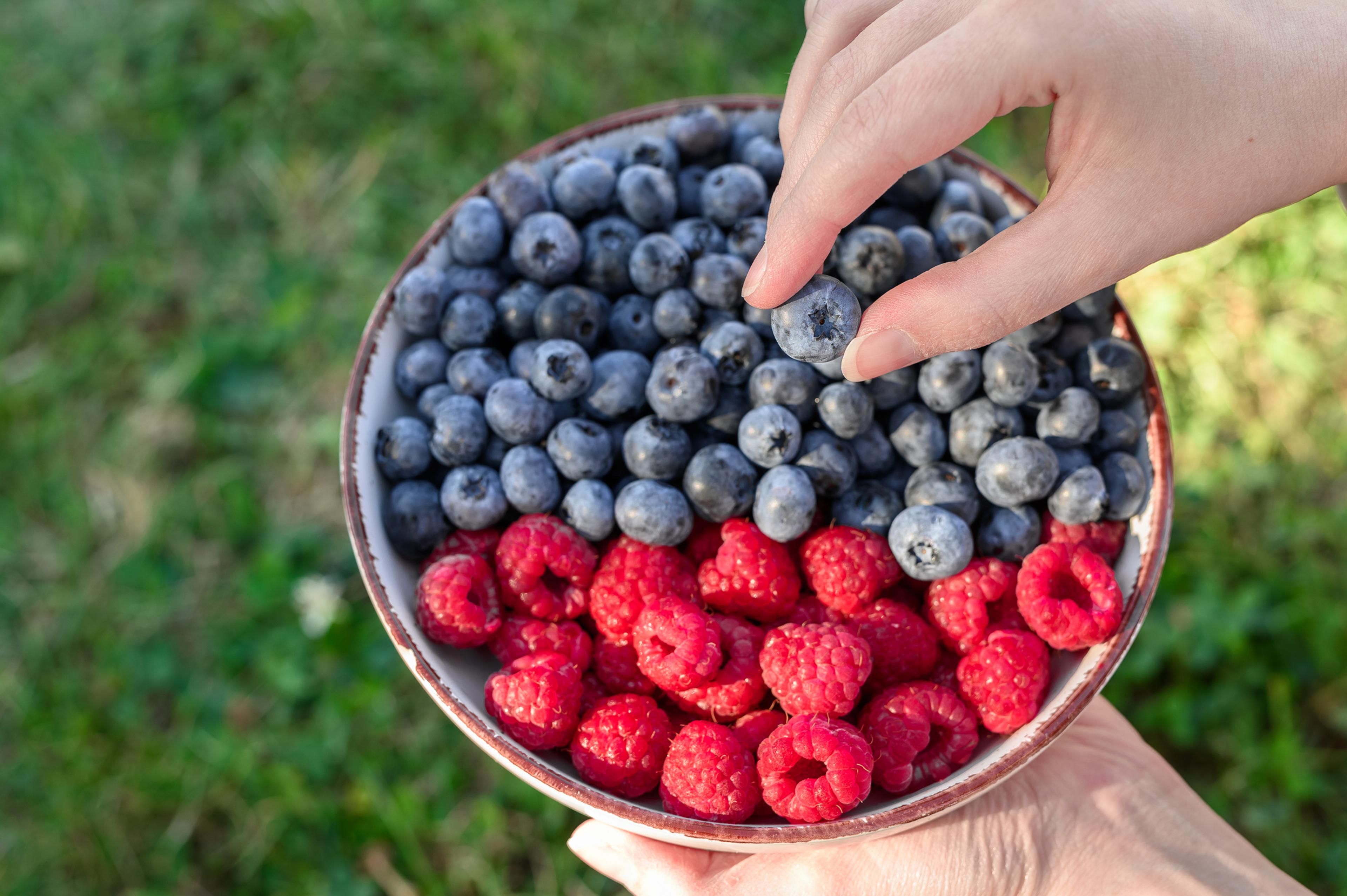
- A high intake of fresh fruits and vegetables
- Whole grains
- Legumes and nuts
- Lean proteins
- Fiber
- Polyunsaturated fatty acids
- Low in refined grains as well as saturated fatty acids
While picky eating can be difficult and frustrating, there are ways to create healthy meals. Here are some tips to encourage children to eat healthy food:
- Stay calm and positive about your child’s diet rather than expressing worry or frustration to them.
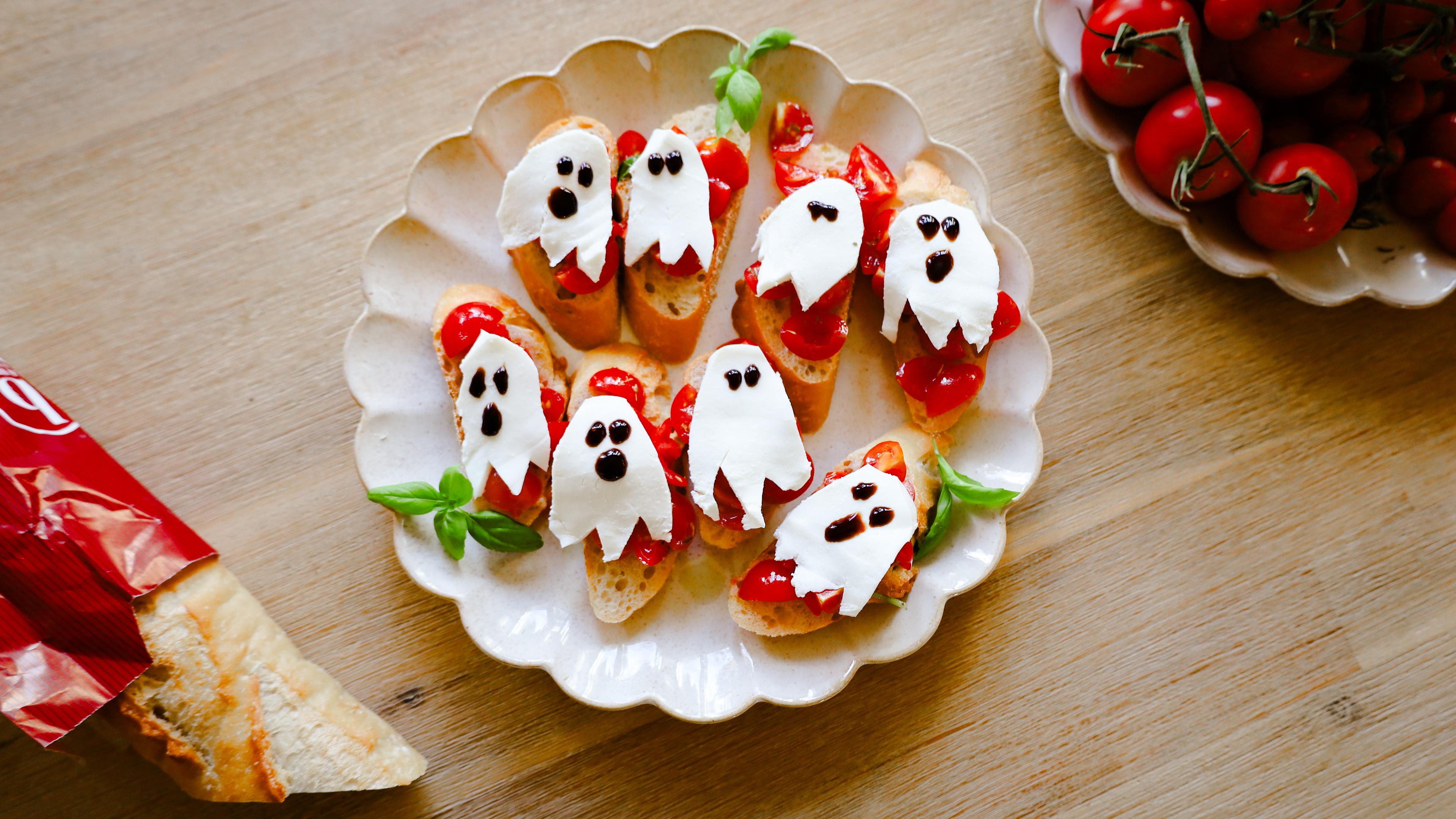
- Keep providing a variety of fruits and vegetables at meals and as snacks. Making the meal fun by adding a favorite dip and including the produce in a favorite meal could help or try new types of fruits and vegetables as a family.
- Add extra vegetables such as spinach, winter squash or carrots to meals such as spaghetti, chili and soup. Homemade pizza with a lot of vegetables can be another fun meal.
- Involve your child in making meals and snacks at an appropriate age level.
- Don’t make a separate meal for your kids but offer a choice between two vegetables.
- Limit or avoid junk food such as chips, fried foods, cookies and sweetened beverages.
- Give your child water instead of sugary juice and sweetened carbonated beverages.
- Set a good example by modeling healthy eating by eating portions of fruits, vegetables and greens and showing your child you enjoy these foods.
- Practice mindful eating, which can lead to better health outcomes such as weight management, improved digestion and a healthy relationship with food.
- Eat as a family as often as you can, which can lead to a higher quality diet, lower rates of obesity, improved academic performance and better mental health.
Photo credit: Getty Images