How to Plan for a Safe Fourth of July
A Healthier Michigan
| 4 min read
Key Takeaways
- The United States Consumer Product Safety Commission reported 13,000 firework injuries and 15 firework-related deaths in 2025.
- Grilling accidents, heat illness and the possibility of drowning are other health risks to be aware of during Fourth of July weekend.
- If left untreated, heat exhaustion can become heat stroke, which can be life-threatening and requires immediate medical attention.
- When grilling, always position grills on a flat, stable surface and keep them away from overhanging branches, patio umbrellas and other combustible materials.
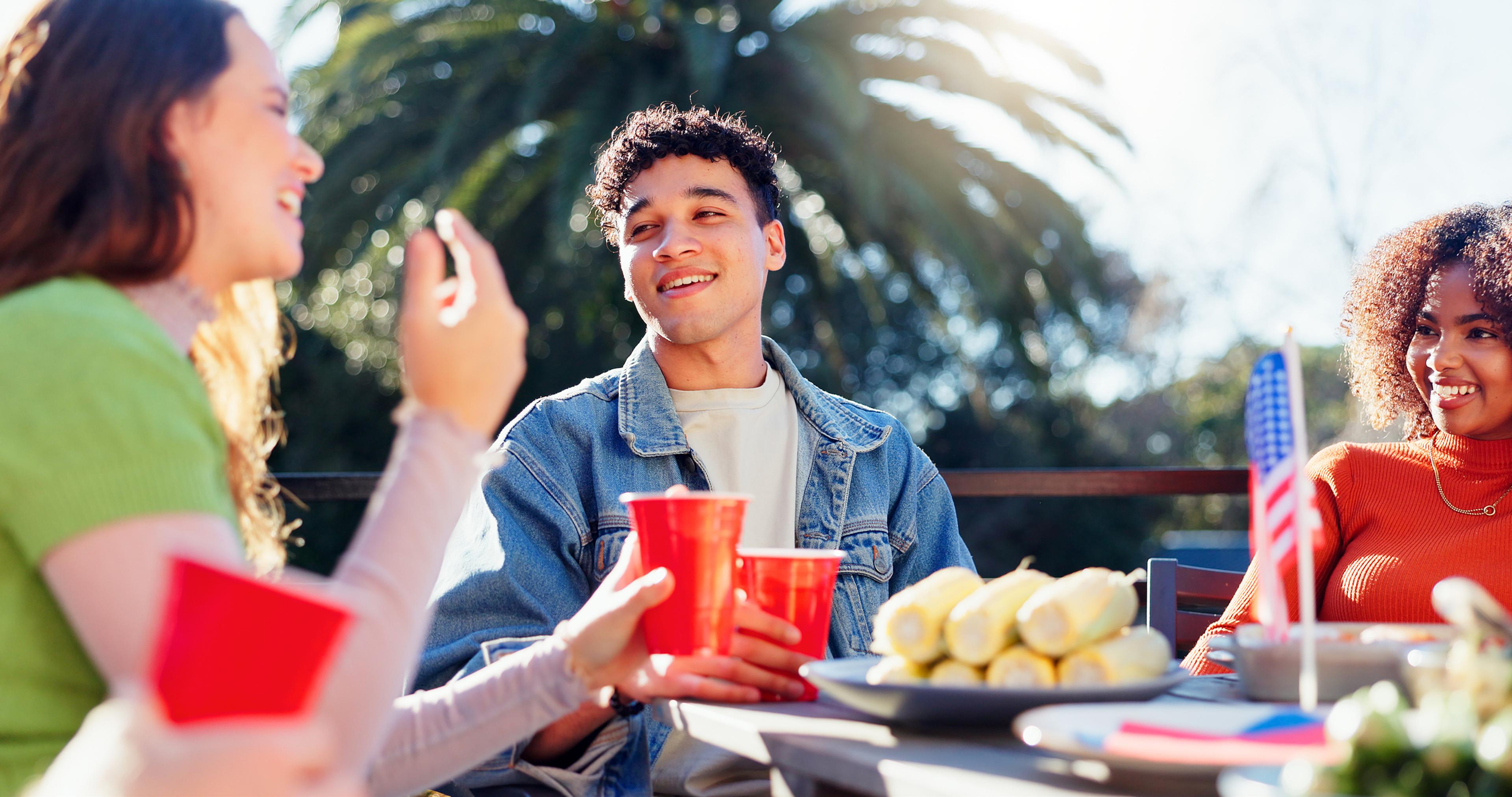
When we think of celebrating the Fourth of July we usually picture warm weather, hot dogs, hamburgers, outdoor fun with family and friends and lots of fireworks. One thing we never want to picture is any sort of injury to a loved one during the festivities.
From heat illness to fireworks injuries, this holiday comes with a fair share of risk. Here's how to help keep yourself and your loved ones safe while enjoying the holiday.
What are the health and injury risks surrounding the 4th of July?
The United States Consumer Product Safety Commission (CPSC) reported 13,000 firework injuries and 15 firework-related deaths in 2025, most of which involved misuse and device misfire or malfunctions.
The 15 to 24 age group accounted for the largest share of reported injuries, according to the CPSC, with the most frequently injured body parts were hands and fingers (35%) and head, face, and ears (22%). Burns were the most common injury, making up 38% of all emergency room visits.
What are some safety tips for the 4th of July?
Fireworks safety
When buying and handling fireworks, the CPSC recommends:
- Never allowing children to play with or ignite fireworks, including sparklers.
- Making sure fireworks are legal in your area before buying or using them.
- Keeping a bucket of water or a garden hose handy in case of a fire or other mishap.
- Lighting fireworks one at a time then moving back quickly.
- Never trying to relight or pick up fireworks that have no fully ignited.
- Never using fireworks while impaired by drugs or alcohol.
Grilling safety
While getting adventurous out on the grill for the holiday don’t forget to prioritize safety. Here are some important tips:
- Place grills at least 10 feet away from the home, deck railings and other structures.
- Position grills on a flat, stable surface to reduce the risk of tipping.
Keep grills away from overhanging branches, patio umbrellas and other combustible materials - Never use a grill inside a garage, enclosed porch or any partially enclosed space, as this can cause fires and lead to carbon monoxide hazards.
- Do not leave grills unattended and make sure kids and pets keep a safe distance from the grilling area while it’s on and in use.
- Clean grates, drip trays and grease collection systems to remove grease and food residue and help keep grills operating safely and efficiently.
- Check propane connections for leaks before using a gas grill, and keep a fire extinguisher nearby in case of emergencies.
Sun safety
Many Fourth of July celebrations involve extreme heat, dehydration and prolonged sun exposure. If you suffer from symptoms like lightheadedness, muscle cramps, thirst and shallow breathing, immediately find a cool, shaded area and rehydrate. You can also cover your face with a cold, wet cloth or take a cool shower.
If left untreated, heat exhaustion can become heat stroke, which can be life-threatening and requires immediate medical attention.
Always wear sunscreen, a protective lotion that absorbs and reflects UV rays. For ample coverage, choose broad-spectrum SPF 15 or higher. Sunscreen wears off and must be reapplied every two hours, as well as after swimming, sweating or towel drying.
Additionally, hats, long-sleeve shirts, neck gaiters and swimsuits with ultraviolet protection factor (UPF) in addition to sunscreen will help you stay safe from the sun.
Water safety
Here are some ways to improve water safety for those at all swim levels:
- Make sure someone is always actively supervising the activity in and around the water: That means no distractions, no socializing with others, no phones and no alcohol when the supervisor is on duty. Rotate duty every 20 minutes or so.
- Use life preservers or life jackets for non-swimmers and for everyone in open water: Pool toys, water wings and floaties are NOT reliable safety devices. They can slip off, and people can easily lose contact with them.
- Learn to swim: Swimming lessons teach children and adults how to swim correctly and help build their confidence in and around water.
Photo credit: Getty Images