What Are Allergies?
| 1 min read
00:00
00:00
About the Show
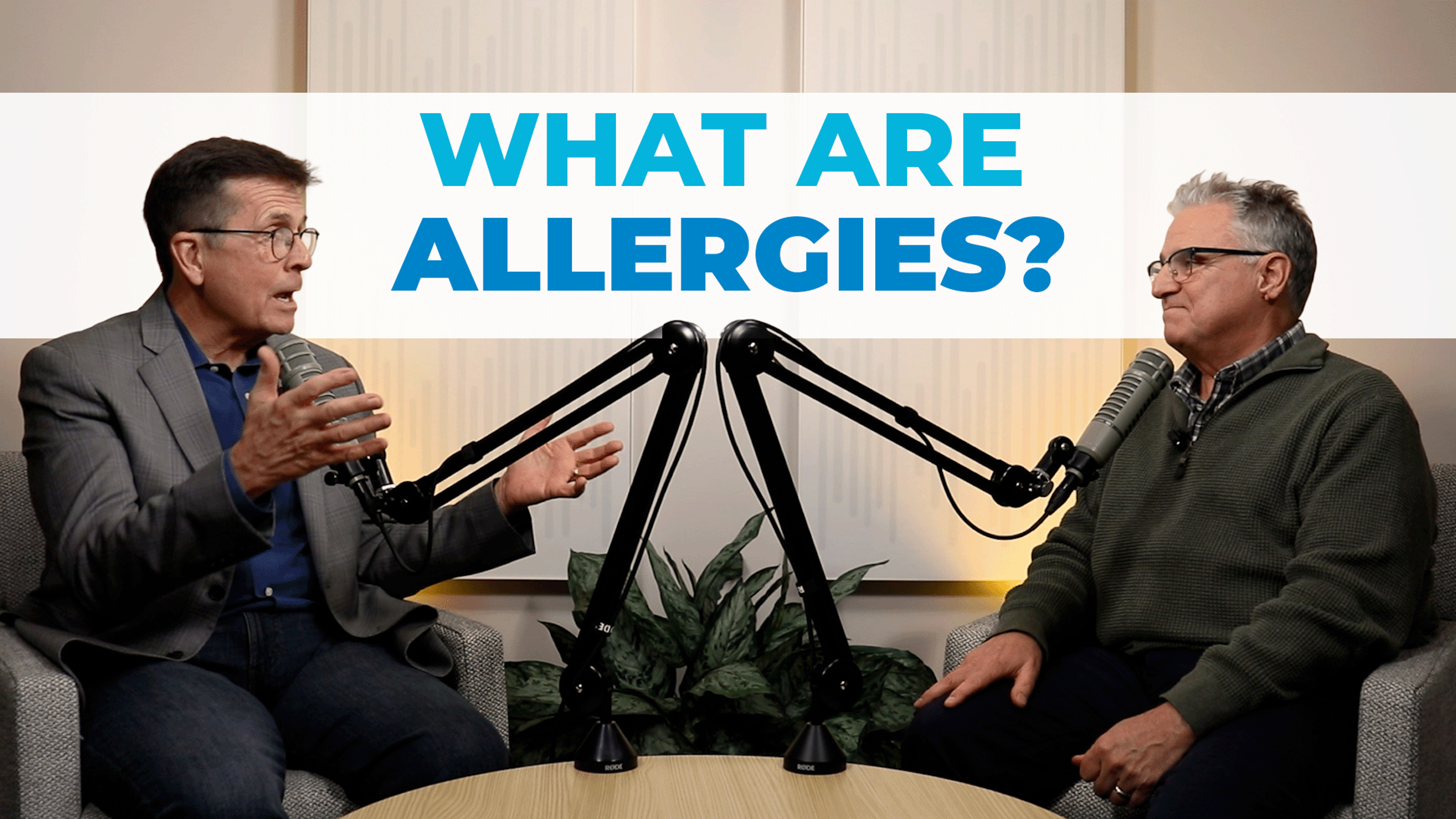
It’s that time of the year again: coughing, sneezing and watery eyes. Spring not only brings lovely gardens, but also allergies. For some, these can be seasonal. For others, it’s a year-round struggle. On this episode, Chuck Gaidica is joined by Senior Medical Director of Commercial Markets Dr. Michael Kobernick. Together, they discuss allergies, which ones are common, what they are and how they happen.
In this episode of A Healthier Michigan Podcast, we explore:
- What are allergies?
- How do allergies affect our bodies?
- How do people develop allergies?
- How can we relieve symptoms?
Transcript
Here is the full transcript of this episode. You can listen to the audio version on streaming platforms or watch on YouTube.
Chuck Gaidica:
From sniffles in the spring to full-blown anaphylactic shock, allergies can cause a wide range of reactions. Why can some people walk through a field of flowers eating a lobster roll, while others might end up in the hospital from a bee sting or shellfish exposure?
From sniffles in the spring to full-blown anaphylactic shock, allergies can cause a wide range of reactions. Why can some people walk through a field of flowers eating a lobster roll, while others might end up in the hospital from a bee sting or shellfish exposure?
Today, let’s talk about allergies. Welcome to A Healthier Michigan Podcast. I’m your host, Chuck Gaidica. Every other week, we dive into topics to help you live your healthiest life, from nutrition and mental health to physical health and even social media trends that impact your wellness.
Today, we’re joined by Dr. Michael Kobernick, Senior Medical Director of Commercial Markets, to break down allergies, what causes them, and what are some ways we can relieve the symptoms. Good to have you with us, Doc.
Michael Kobernick:
Thanks, Chuck. It’s great to be here. This is a particularly interesting topic for me, I spent 30 years as an emergency physician, so I’ve seen everything from severe anaphylaxis to minor allergic reactions. We saw all the variations, from life-threatening to everyday annoyances.
Thanks, Chuck. It’s great to be here. This is a particularly interesting topic for me, I spent 30 years as an emergency physician, so I’ve seen everything from severe anaphylaxis to minor allergic reactions. We saw all the variations, from life-threatening to everyday annoyances.
Chuck Gaidica:
That’s interesting. People often think of anaphylactic shock as the big risk, EpiPens and emergency action, but there are lots of other severe reactions too, right?
That’s interesting. People often think of anaphylactic shock as the big risk, EpiPens and emergency action, but there are lots of other severe reactions too, right?
Michael Kobernick:
Absolutely. Anaphylaxis is the most severe, where you can have a dangerous drop in blood pressure and difficulty breathing. But there are also less severe, though still serious, reactions, like generalized rash, swelling of the lips or tongue. These might not be immediately life-threatening, but they can still be devastating and require emergency care.
Absolutely. Anaphylaxis is the most severe, where you can have a dangerous drop in blood pressure and difficulty breathing. But there are also less severe, though still serious, reactions, like generalized rash, swelling of the lips or tongue. These might not be immediately life-threatening, but they can still be devastating and require emergency care.
Chuck Gaidica:
So there’s really a continuum of reactions. But let’s start with the basics: what is an allergy?
So there’s really a continuum of reactions. But let’s start with the basics: what is an allergy?
Michael Kobernick:
I think of it as your body’s way of telling you it doesn’t like something. A true allergy involves your immune system developing a sensitivity to something you ingest, touch, or inhale. It’s an immune reaction, your body produces antibodies and releases chemicals like histamine. Everyone’s constitution is different, so people react to different things.
I think of it as your body’s way of telling you it doesn’t like something. A true allergy involves your immune system developing a sensitivity to something you ingest, touch, or inhale. It’s an immune reaction, your body produces antibodies and releases chemicals like histamine. Everyone’s constitution is different, so people react to different things.
Chuck Gaidica:
Can allergies come and go? For example, could I touch something and react one time, but not the next?
Can allergies come and go? For example, could I touch something and react one time, but not the next?
Michael Kobernick:
It’s a good question. Usually, your body has to become sensitized first. For example, the first time you’re stung by a bee, it’s often just a local reaction. But after that, your immune system may recognize the venom as foreign and develop antibodies. The next time, if you’re exposed, your immune system can mount a much bigger reaction, releasing histamine, which causes symptoms ranging from runny nose and itchy eyes to, in severe cases, anaphylaxis.
It’s a good question. Usually, your body has to become sensitized first. For example, the first time you’re stung by a bee, it’s often just a local reaction. But after that, your immune system may recognize the venom as foreign and develop antibodies. The next time, if you’re exposed, your immune system can mount a much bigger reaction, releasing histamine, which causes symptoms ranging from runny nose and itchy eyes to, in severe cases, anaphylaxis.
The amount of allergen you’re exposed to also matters, a small amount may cause a mild reaction, while a large amount can cause something more severe.
Chuck Gaidica:
When we talk about common allergies, especially in spring, we hear about antihistamines. Is that the entry point for most people?
When we talk about common allergies, especially in spring, we hear about antihistamines. Is that the entry point for most people?
Michael Kobernick:
Yes. The most common allergies are to things like grasses, dust mites, and pollens. For example, in the South, you’ll see pollen covering everything in spring. Breathing that in can lead to sniffles and other symptoms once your body becomes sensitive. The runny nose is actually your body’s way of bringing immune cells to fight off any potential infection.
Yes. The most common allergies are to things like grasses, dust mites, and pollens. For example, in the South, you’ll see pollen covering everything in spring. Breathing that in can lead to sniffles and other symptoms once your body becomes sensitive. The runny nose is actually your body’s way of bringing immune cells to fight off any potential infection.
Chuck Gaidica:
So if I didn’t have allergies as a kid but develop them later, is it because I’ve been exposed more as I age, or does environment matter?
So if I didn’t have allergies as a kid but develop them later, is it because I’ve been exposed more as I age, or does environment matter?
Michael Kobernick:
It’s a bit of both. You may develop higher levels of certain antibodies over time, and more exposure can trigger reactions. Where you live matters too, if you move to an area with different trees, grasses, or pollens, you might develop new allergies.
It’s a bit of both. You may develop higher levels of certain antibodies over time, and more exposure can trigger reactions. Where you live matters too, if you move to an area with different trees, grasses, or pollens, you might develop new allergies.
Chuck Gaidica:
That makes sense. I’ve noticed people mowing their lawns in spring or early summer and having reactions. It seems like it can hit anyone.
That makes sense. I’ve noticed people mowing their lawns in spring or early summer and having reactions. It seems like it can hit anyone.
Michael Kobernick:
Absolutely. Mowing the lawn stirs up a lot of pollen and grass, which can cause severe reactions, especially if it’s your first or second time out that year. We saw a lot of those cases in the ER.
Absolutely. Mowing the lawn stirs up a lot of pollen and grass, which can cause severe reactions, especially if it’s your first or second time out that year. We saw a lot of those cases in the ER.
Chuck Gaidica:
What can people do to minimize symptoms, especially if they have to do chores like mowing the lawn?
What can people do to minimize symptoms, especially if they have to do chores like mowing the lawn?
Michael Kobernick:
Some people wear masks when mowing, masks are more accepted now. Try to mow when it’s cooler and less humid, since pollen tends to settle on the ground then. Or, if possible, hire someone else to do it. But even so, pollen will still be in the air.
Some people wear masks when mowing, masks are more accepted now. Try to mow when it’s cooler and less humid, since pollen tends to settle on the ground then. Or, if possible, hire someone else to do it. But even so, pollen will still be in the air.
Chuck Gaidica:
It’s not just people, our pets can have allergies too. I remember taking my dog to the vet for allergy symptoms, and the vet said they were seeing more of this.
It’s not just people, our pets can have allergies too. I remember taking my dog to the vet for allergy symptoms, and the vet said they were seeing more of this.
Michael Kobernick:
Pets can absolutely have allergies, and pet dander is also a common cause of allergies in people. Cat dander, in particular, is tough, some people react even if the cat isn’t in the room! Some dog breeds, like poodles and “doodle” mixes, are considered hypoallergenic because they produce less dander, but no dog is truly dander-free.
Pets can absolutely have allergies, and pet dander is also a common cause of allergies in people. Cat dander, in particular, is tough, some people react even if the cat isn’t in the room! Some dog breeds, like poodles and “doodle” mixes, are considered hypoallergenic because they produce less dander, but no dog is truly dander-free.
Chuck Gaidica:
When symptoms get more severe, what should people watch for? When is it time to see a doctor or specialist?
When symptoms get more severe, what should people watch for? When is it time to see a doctor or specialist?
Michael Kobernick:
You can’t predict who will have a severe reaction. If your reactions are getting worse, it’s time to see a doctor and maybe get tested to identify what you’re allergic to. Avoiding triggers is important. If you ever experience a rash, swelling of the lips or tongue, or more significant symptoms, you should see an allergist, these can be progressive and may respond well to immunotherapy (allergy shots).
You can’t predict who will have a severe reaction. If your reactions are getting worse, it’s time to see a doctor and maybe get tested to identify what you’re allergic to. Avoiding triggers is important. If you ever experience a rash, swelling of the lips or tongue, or more significant symptoms, you should see an allergist, these can be progressive and may respond well to immunotherapy (allergy shots).
Chuck Gaidica:
Immunotherapy is basically exposing you to small amounts of the allergen to build up immunity, right?
Immunotherapy is basically exposing you to small amounts of the allergen to build up immunity, right?
Michael Kobernick:
Exactly. They mix the allergens you’re sensitive to into your shots and give them to you regularly, so your body becomes less reactive over time.
Exactly. They mix the allergens you’re sensitive to into your shots and give them to you regularly, so your body becomes less reactive over time.
Chuck Gaidica:
We’ve been hearing about peanut allergies and the new idea of introducing peanuts to infants earlier to prevent allergies. What do you think?
We’ve been hearing about peanut allergies and the new idea of introducing peanuts to infants earlier to prevent allergies. What do you think?
Michael Kobernick:
That’s a new and promising approach, early introduction may reduce the chance of developing peanut allergies, especially in families with a history of them. But this should always be discussed with your pediatrician or family doctor to follow safe protocols.
That’s a new and promising approach, early introduction may reduce the chance of developing peanut allergies, especially in families with a history of them. But this should always be discussed with your pediatrician or family doctor to follow safe protocols.
Chuck Gaidica:
What about medication allergies, like penicillin or latex?
What about medication allergies, like penicillin or latex?
Michael Kobernick:
Penicillin allergy is interesting. Many people are told as kids they’re allergic to penicillin after a rash from amoxicillin, but that’s not always a true allergy. Testing as an adult often shows they’re not actually allergic. This is important because penicillin is a very effective antibiotic, and knowing for sure can impact treatment options. If you’re unsure, talk to your doctor about getting tested.
Penicillin allergy is interesting. Many people are told as kids they’re allergic to penicillin after a rash from amoxicillin, but that’s not always a true allergy. Testing as an adult often shows they’re not actually allergic. This is important because penicillin is a very effective antibiotic, and knowing for sure can impact treatment options. If you’re unsure, talk to your doctor about getting tested.
Chuck Gaidica:
That’s good advice. We also hear about tree nut and shellfish allergies. What’s the difference between food allergy and intolerance?
That’s good advice. We also hear about tree nut and shellfish allergies. What’s the difference between food allergy and intolerance?
Michael Kobernick:
Food intolerance means you get an upset stomach or discomfort, but it’s not an immune reaction. A true food allergy triggers the immune system and causes histamine release, like swelling, hives, or even anaphylaxis. Tree nuts, peanuts, shellfish, and even molds in some cheeses are common food allergens.
Food intolerance means you get an upset stomach or discomfort, but it’s not an immune reaction. A true food allergy triggers the immune system and causes histamine release, like swelling, hives, or even anaphylaxis. Tree nuts, peanuts, shellfish, and even molds in some cheeses are common food allergens.
Chuck Gaidica:
Another line of defense I think about is changing air filters at home. It’s not cheap, but it seems worthwhile for cleaner air.
Another line of defense I think about is changing air filters at home. It’s not cheap, but it seems worthwhile for cleaner air.
Michael Kobernick:
Absolutely. Changing air filters regularly is important for air quality and can help reduce allergen exposure. It also helps your HVAC system run efficiently.
Absolutely. Changing air filters regularly is important for air quality and can help reduce allergen exposure. It also helps your HVAC system run efficiently.
Chuck Gaidica:
As we head into spring, what else can people do proactively for allergies?
As we head into spring, what else can people do proactively for allergies?
Michael Kobernick:
Over-the-counter medications can help, antihistamines, and nasal corticosteroids are effective for many people. Just don’t overuse them, and remember that nasal corticosteroids are different from decongestant sprays. For allergic asthma, corticosteroids are often the main treatment.
Over-the-counter medications can help, antihistamines, and nasal corticosteroids are effective for many people. Just don’t overuse them, and remember that nasal corticosteroids are different from decongestant sprays. For allergic asthma, corticosteroids are often the main treatment.
Chuck Gaidica:
For those with severe allergies or a family member with anaphylaxis risk, what’s your advice?
For those with severe allergies or a family member with anaphylaxis risk, what’s your advice?
Michael Kobernick:
Have your emergency kit, EpiPens, ready and accessible wherever you are. Epinephrine is life-saving in anaphylactic reactions, and you never know when you’ll need it. Don’t leave it at home or somewhere you can’t get to it quickly.
Have your emergency kit, EpiPens, ready and accessible wherever you are. Epinephrine is life-saving in anaphylactic reactions, and you never know when you’ll need it. Don’t leave it at home or somewhere you can’t get to it quickly.
Chuck Gaidica:
Any final thoughts?
Any final thoughts?
Michael Kobernick:
It’s always a good idea to have conversations with your family doctor about what’s serious, when to see an allergist, and which over-the-counter remedies are best. Stay aware of symptoms that could signal something more serious.
It’s always a good idea to have conversations with your family doctor about what’s serious, when to see an allergist, and which over-the-counter remedies are best. Stay aware of symptoms that could signal something more serious.
Chuck Gaidica:
With kids and grandkids, being proactive about things like peanut allergies is a whole new frontier. But as you said, always seek professional guidance.
With kids and grandkids, being proactive about things like peanut allergies is a whole new frontier. But as you said, always seek professional guidance.
Michael Kobernick:
Absolutely. Your pediatrician or family doctor will know the best protocols to follow.
Absolutely. Your pediatrician or family doctor will know the best protocols to follow.
Chuck Gaidica:
Great information. Thank you, Dr. Kobernick. And thank you for listening to A Healthier Michigan Podcast. If you like the show and want to learn more, check out ahealthiermichigan.org/podcast. Please give us a rating, share the podcast, or leave a comment to let us know what you’d like to hear about next. Subscribe and favorite us wherever you listen. We hope we gave you a tip or two to stay healthy. Until next time, be well.
Great information. Thank you, Dr. Kobernick. And thank you for listening to A Healthier Michigan Podcast. If you like the show and want to learn more, check out ahealthiermichigan.org/podcast. Please give us a rating, share the podcast, or leave a comment to let us know what you’d like to hear about next. Subscribe and favorite us wherever you listen. We hope we gave you a tip or two to stay healthy. Until next time, be well.