How to Make a Sunny Side Up Egg

Shanthi Appelo, MS, RD
| 3 min read
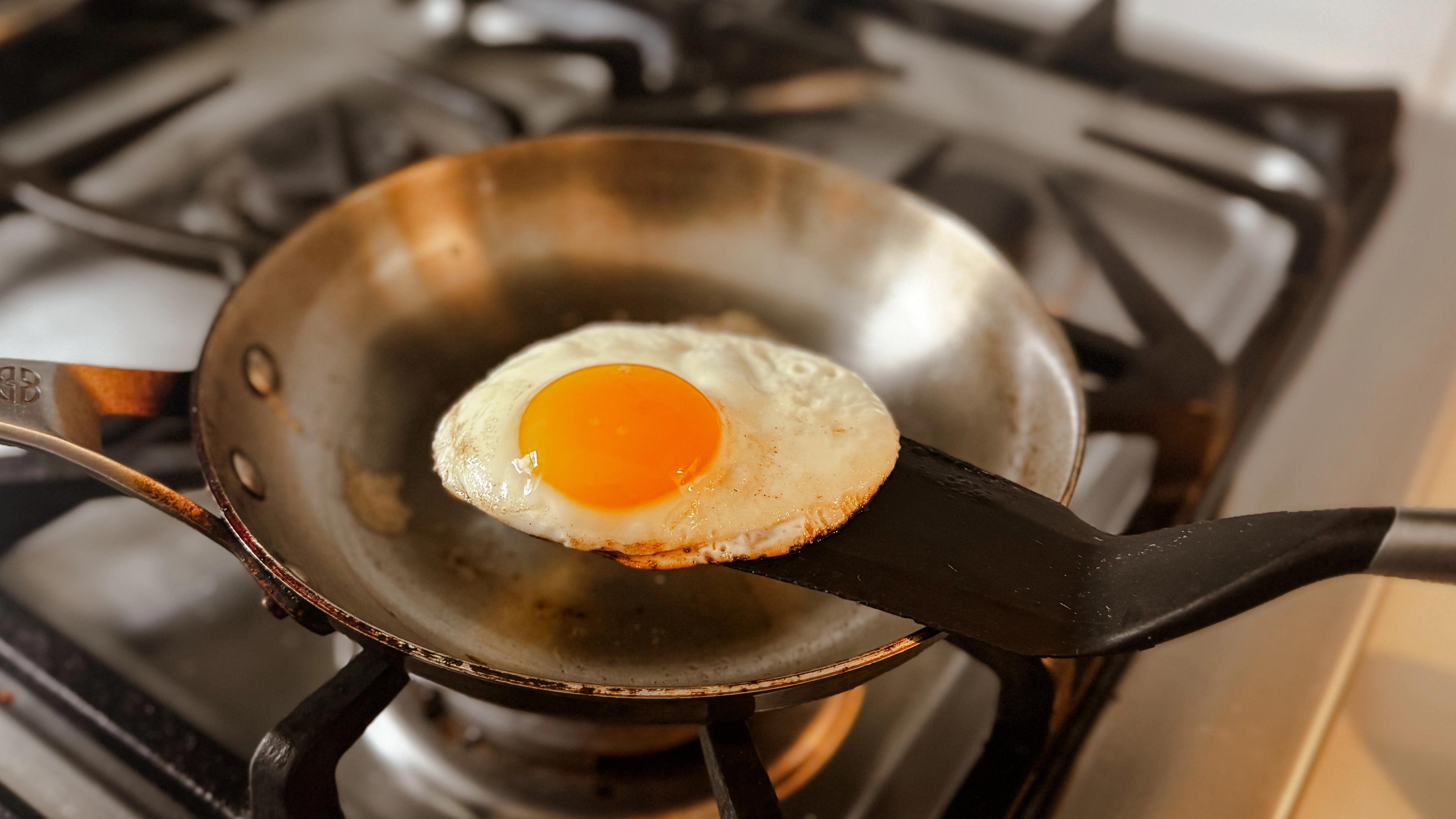
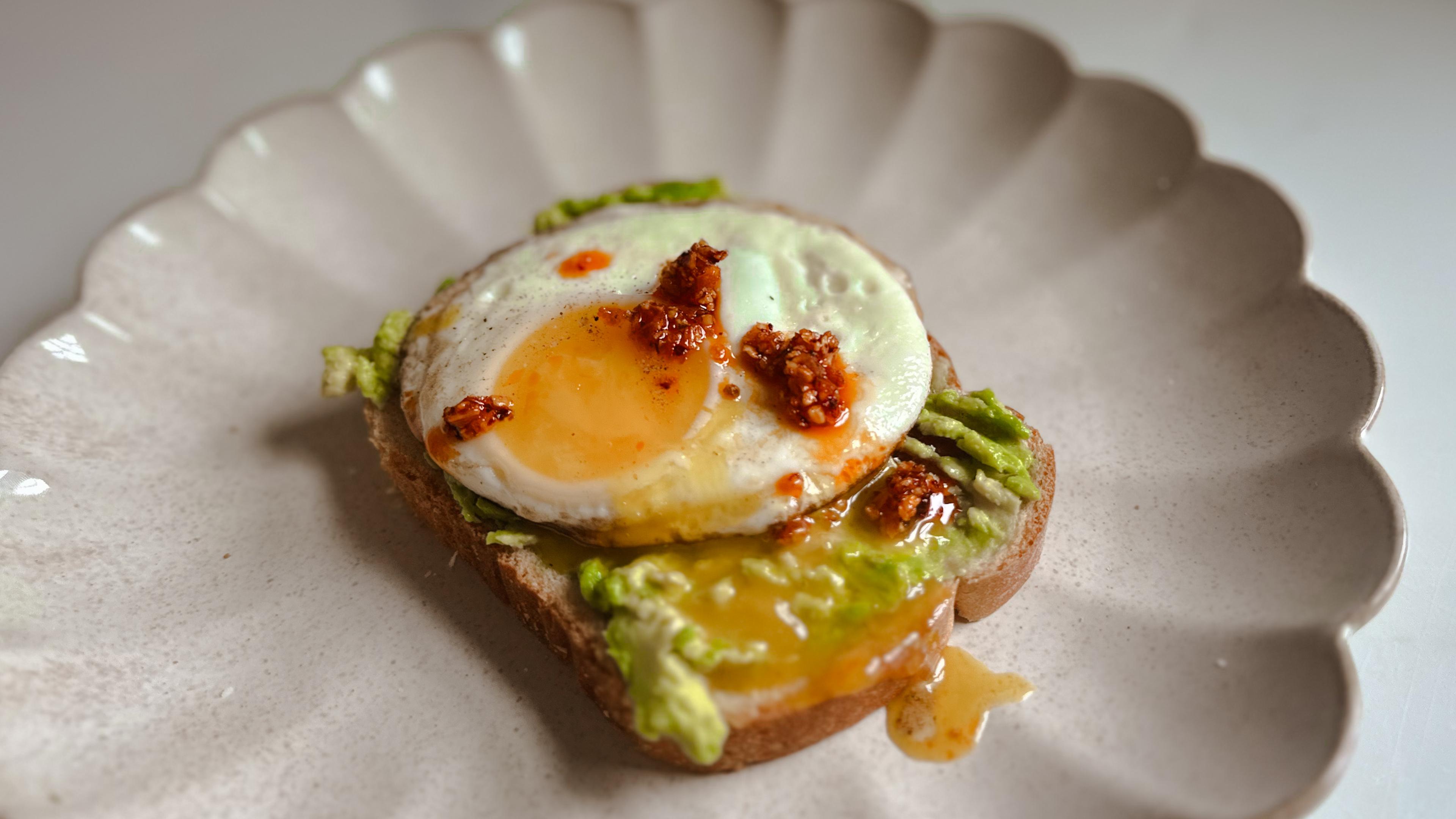
A sunny side up egg is one of the simplest things you can cook, yet getting it just right can take a little practice. When done properly, the egg white is fully set, the edges are tender (or lightly crisp, depending on your preference) and the yolk stays bright, golden and perfectly runny.
Whether you’re serving it with toast, adding it to rice or grain bowls or topping off a breakfast plate, mastering the sunny side up egg is a great kitchen skill. With the right pan, temperature and timing, you can make perfect eggs every time.
General tips for the best sunny side up eggs
- Use fresh eggs. Fresh eggs hold their shape better in the pan.
- Cook on low heat. Patience prevents rubbery egg whites.
- Use the right pan. A nonstick skillet makes the process much easier, but you can get your stainless-steel skillet to act as a nonstick if prepared correctly.
- Avoid flipping. Sunny side up eggs are never turned over. The yolk stays facing up.
Step 1: Start with a warm pan
- Place your skillet on the stove over low to medium-low heat. Low heat is important because cooking too hot can cause the egg whites to become tough before the yolk has time to warm.
- Add about 1 teaspoon of butter or oil and let it melt or warm up. The goal is to coat the pan lightly, so the egg doesn’t stick.
Step 2: Crack the egg carefully
For best results, crack the egg into a small bowl first rather than directly into the pan. This gives you more control and helps avoid broken yolks or shell fragments. Once the pan is ready, gently slide the egg from the bowl into the skillet. If you're cooking multiple eggs, leave a little space between them.
Step 3: Cook the egg slowly
Let the egg cook undisturbed for about 2 to 3 minutes.
As it cooks, you’ll notice:
- The egg white turning from clear to white
- The edges beginning to set
- The yolk remaining bright and glossy
Keep the heat low so the white cooks evenly without browning too quickly.
Optional: cover the pan
If the egg white around the yolk still looks slightly clear, you can place a lid over the pan for about 30 seconds. This traps a little steam and helps finish cooking the top of the egg white without flipping the egg.
When the egg Is done
A perfect sunny side up egg should have:
- Fully set egg whites
- A soft, runny yolk
- Smooth or lightly crisp edges depending on your preference
Once the whites are set, gently slide a spatula under the egg and transfer it to a plate. Season with salt and pepper if desired.
How to cook eggs in stainless steel without sticking
Stainless steel skillets can make excellent eggs when used correctly. The sticking problem usually happens when the pan isn’t hot enough before adding the egg.
The preheat test
To check if your stainless-steel pan is ready:
- Heat the pan for about 2 minutes.
- Add a few drops of water.
- If the water forms small beads that glide around the pan, it’s ready.
This is sometimes called the water droplet test. Once the pan reaches this stage:
- Add your butter or oil
- Let it coat the pan
- Then add the egg
This creates a natural barrier between the egg and the metal.
Tips to prevent eggs from sticking
- Use enough fat. Butter or oil helps create a nonstick surface.
- Let the pan preheat properly. Cold stainless steel almost always causes sticking.
- Lower the heat after adding the egg. Too much heat can cause the egg to seize onto the pan.
- Use a thin spatula. A thin, flexible spatula makes lifting eggs easier.