How to Keep Bananas Fresh
Ryan Halberg
| 3 min read
Key Takeaways
- Bananas are nutrient‑dense, offering about 105 calories per medium fruit and a good source of fiber, potassium, vitamin C, vitamin B6 and magnesium, which can aid digestion, blood‑pressure control, weight management and athletic performance, according to the Cleveland Clinic.
- To extend shelf life, wrap banana stems in plastic to slow ethylene release, refrigerate only ripe bananas and store them away from other ethylene‑producing fruits.
- Overripe, brown bananas are sweeter and ideal for baked goods, smoothies or pancakes, turning a potential waste product into a nutritious ingredient.
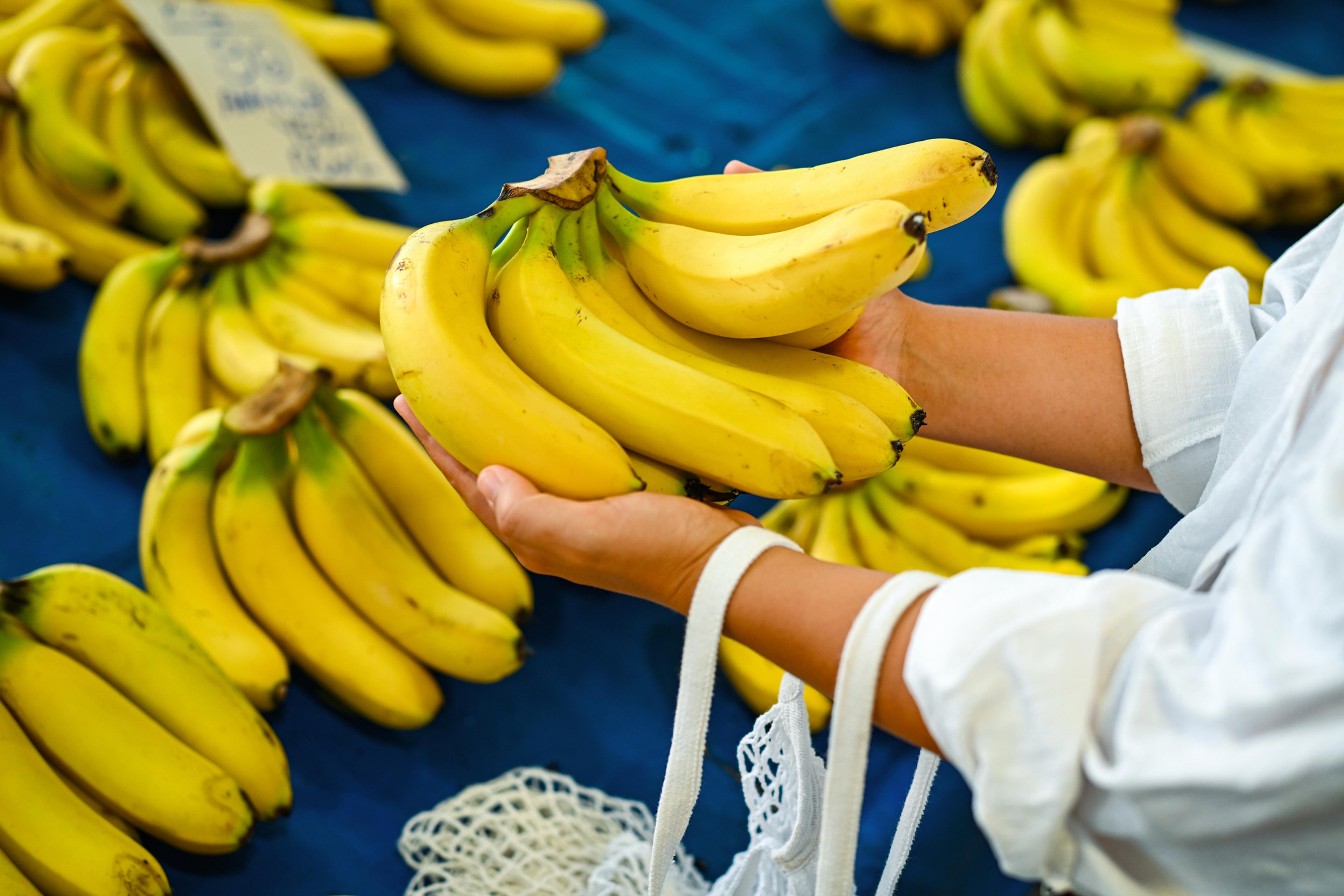
Bananas are consistently among people’s favorite fruits for their convenience, taste and nutritional value. The problem is that the beloved fruit ripens quickly, leading to a short shelf life, and can leave nearby foods smelling and tasting like bananas.
Following a few simple tips can keep bananas ripe for longer and help you enjoy this healthy snack.
Health benefits of bananas
Before talking about how to keep bananas fresh for longer, it’s worth understanding why they’re worth keeping around in the first place. According to the Cleveland Clinic, a medium-sized banana is 105 calories and provides a significant portion of your daily recommended value in a variety of vitamins and nutrients, including:
- Fiber
- Potassium
- Vitamin C
- Vitamin B6
- Magnesium
Along with helping hit vitamin and nutrient goals, per the Cleveland Clinic, bananas offer a number of benefits that keep our bodies healthy:
- Improved digestion
- Blood pressure management
- Fighting off illness
- Weight management
- Athletic performance
- Blood sugar management, if eaten before peak ripeness
How to store bananas
Bananas offer a multitude of health benefits; however, that doesn’t matter if they go bad before you get around to eating them. Luckily, a few simple strategies can help extend a banana’s shelf life, allowing you to enjoy them for longer.
Wrap the stems
Bananas release ethylene gas that ripens the fruit. Wrapping the stems in plastic slows the release of the gas and delays the ripening process.
Use your refrigerator
The cool atmosphere inside a refrigerator slows down the ripening process, but don’t put unripe bananas in the fridge. Using the fridge before the banana is ripe may ruin the fruit’s ability to ripen, even after it’s taken out.
The banana peel is sensitive to cold temperatures, so the peel may turn brown before the fruit goes bad. Open the peel to check the banana before assuming it’s gone bad.
Store separately from other fruits
Like bananas, many other fruits release ethylene gas during the ripening process. If all those fruits are stored together, the ripening process is accelerated. Store fruit separately to slow down the ripening process and extend shelf life.
How to use brown bananas
Even with proper storage conditions, bananas will eventually ripen. Despite this, bananas turning brown don’t have to go to waste.
As bananas ripen and turn brown, they also become sweeter, making them perfect for use in baked goods. Try baking banana bread, muffins, pancakes or smoothies.
Bananas are a convenient and nutrient-packed snack, great for a healthy diet or a sweet treat. With a few simple storage techniques, you can extend their shelf life and enjoy them for longer. Wrapping the stems, using your refrigerator when the bananas have ripened and storing other fruits separately can help ensure your bananas stay fresh until you’re ready to eat them.
Photo credit: Getty Images