Tips To Build Muscle After 40

Lilly DeLano
| 3 min read
Key Takeaways
- Adults 40 and older should aim for at least three hours of moderate‑intensity aerobic activity, such as walking, biking or swimming, and two sessions of muscle‑strengthening exercises each week, according to the U.S. Department of Health and Human Services.
- Regular aerobic exercise helps lower the risk of chronic diseases, while strength training improves balance, flexibility and muscle mass, both of which are essential for long‑term physical and mental health, the CDC says.
- Mixing up activities, like speed walking, resistance‑band work, yoga or light weightlifting, keeps workouts enjoyable and reduces the chance of injury, making it easier to stay active as you age.
Your workouts may not feel the same after you turn 40.
It could take longer to recover from exercise, and you may have trouble finding new ways to keep active and build strength. But it’s important to stay physically active as you get older to support your long-term physical and mental health. Adding more activity can help to reduce the risk of chronic conditions, according to the U.S. Centers for Disease Control and Prevention (CDC).
Each week, adults should get three hours of moderate-intensity aerobic exercise, such as walking or running and two sessions of muscle-strengthening exercises, per the U.S. Department of Health and Human Services. There are many ways to get up and move. It’s healthiest to aim for both moderate to vigorous aerobic and muscle strengthening activities.
Aerobic exercises
Aerobic activity raises your heart rate and makes your heart work harder. Some examples of aerobic activities are:
- Speed walking: Walking helps to improve cardiovascular health and supports building endurance. It also engages your legs and glutes. The CDC ranks walking as a moderate-intensity aerobic activity and great for weekly exercise.
- Riding a bike: Biking is gentle on the joints and helps strengthen the lower body. It helps improve heart health and stamina and targets your quadriceps, hamstrings, calves and glutes.
- Mowing the lawn: It might not feel like a workout, but it gets your body moving and engages your legs, core and upper body. Even though it is an everyday activity, it increases your heart rate and is considered a good contributor to aerobic activity, according to the CDC.
- Jogging or running: Running and jogging contribute to improving cardiovascular health and endurance levels. It also helps to strengthen legs and core muscles.
- Swimming: Swimming provides a full-body workout and targets multiple muscles at once. Different types of strokes target different areas of the body. This is a great way to keep mobility and strength up as you age.
- Pickleball: This sport is a growing hobby and sport for many adults and involves quick movements and coordination. Playing regularly can help improve endurance and lower-body strength.
You do not have to do the same thing every week. Mix it up and include multiple ways of moving your body. Everyone has a different comfort level when it comes to activity intensity. Find whatever feels right for you, but test things out to see what you are more comfortable doing.
Strength training
The other effective type of workout is muscle strengthening. You should include this with the aerobic activity you do for the week. To see the optimum results, it is best to have two days of muscle strengthening a week.
Several types of training can include various parts of your body, like your legs, arms, back, chest and hips. Some examples of how you should work those groups include:
- Resistance band work: Depending on the tension level you use, it can provide a great workout and provide good exercises to strengthen your arms, shoulders, chest, back, hips and legs.
- Yoga: Yoga requires you to be able to hold your body weight. It helps improve flexibility, balance and mobility.
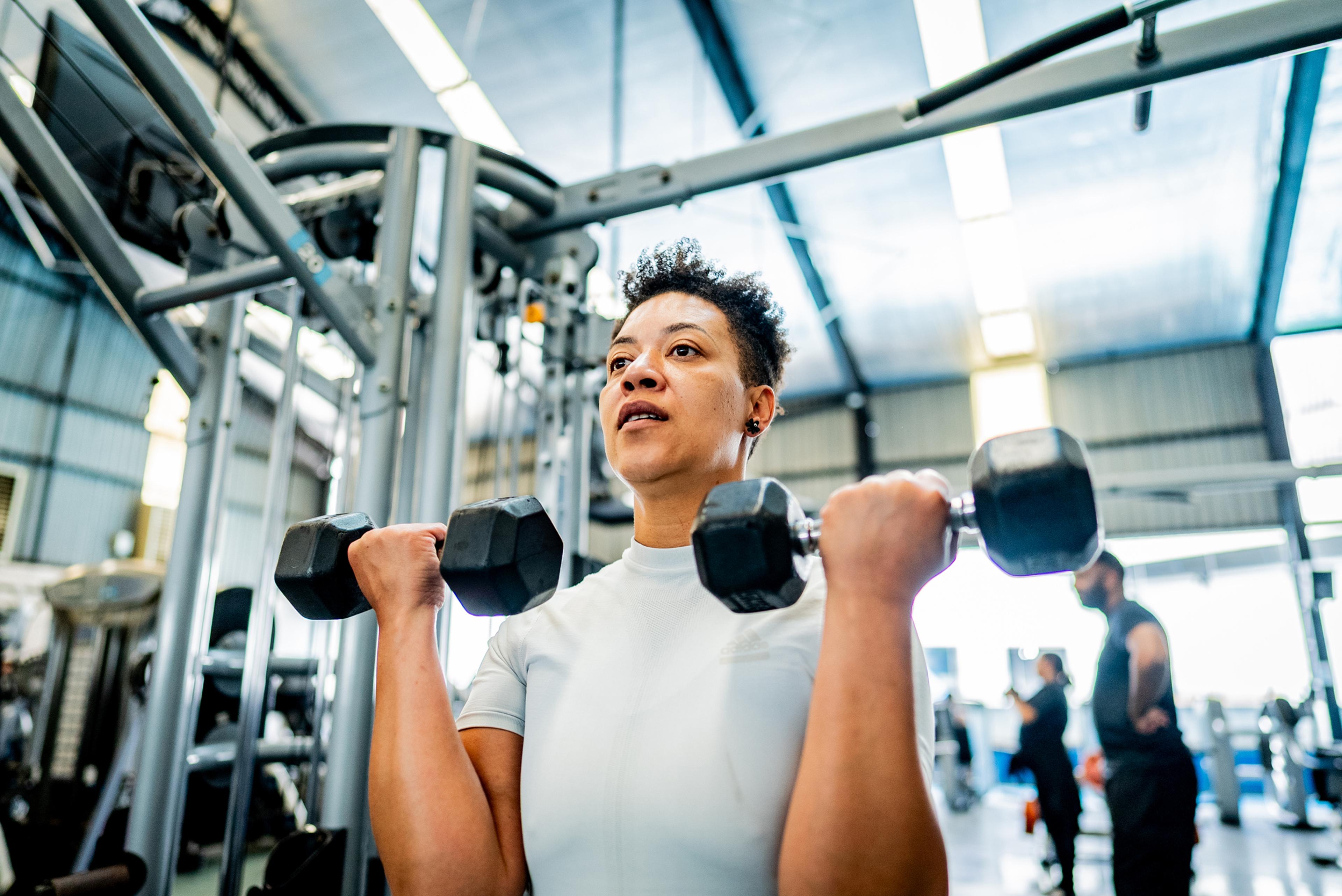
- Lifting weights: Lifting weights is one of the most beneficial workouts after you turn 40. Different types of lifting equipment include dumbbells, kettlebells and barbells.
- Pushups: This specific exercise targets the chest, shoulders, triceps and core. You can perform these in different ways, like from your knees or against a wall.
To get the most out of your strength training, consider using the repetition method. Pick an exercise and repeat it five to 10 times.
Photo credit: Getty Images